 PickPundit
🐱 How to Choose the Best Cat Litter Boxes: Complete Buying Guide

Complete cat litter boxes buying guide. Learn what features matter, compare top products, and find the best cat litter boxes for your budget.
View Top Picks →Table of Contents
Cat Litter Boxes: From Basic Trays to Self-Cleaning Technology
Cat litter boxes range from simple plastic trays to automated self-cleaning units—each with trade-offs in maintenance, cost, and cat acceptance. Understanding what different designs offer helps choose boxes that work for both cats and their humans.
Basic vs Self-Cleaning
Fundamental design choice:
Standard boxes: Manual scooping required. Simple, reliable, cheap.
Automatic/self-cleaning: Mechanical or rotating action removes waste. Less scooping.
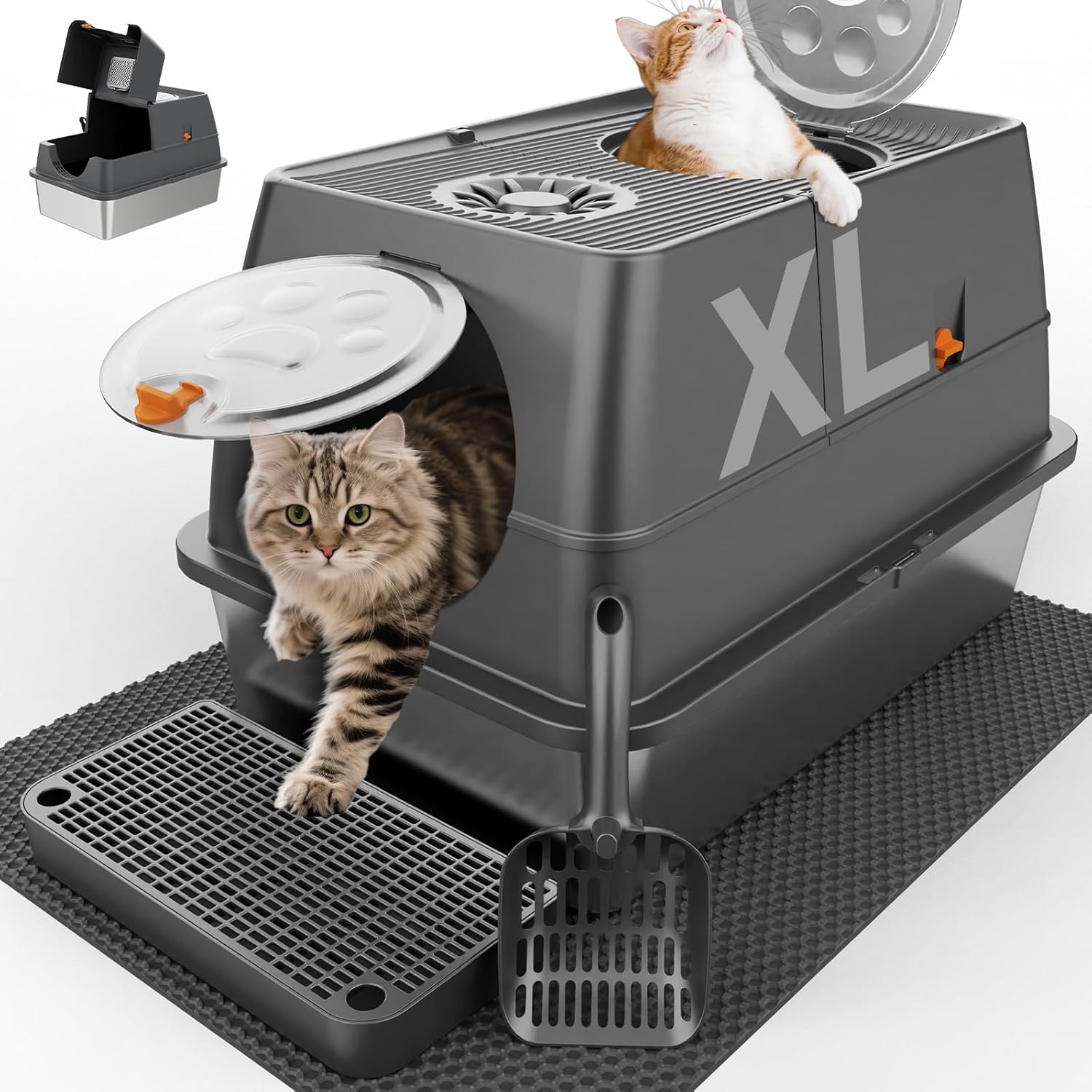
Cost difference: $10-30 basic. $300-700 automatic (like Thereye).
Cat acceptance: Some cats fear automatic mechanisms.
Covered vs Open
Enclosure considerations:
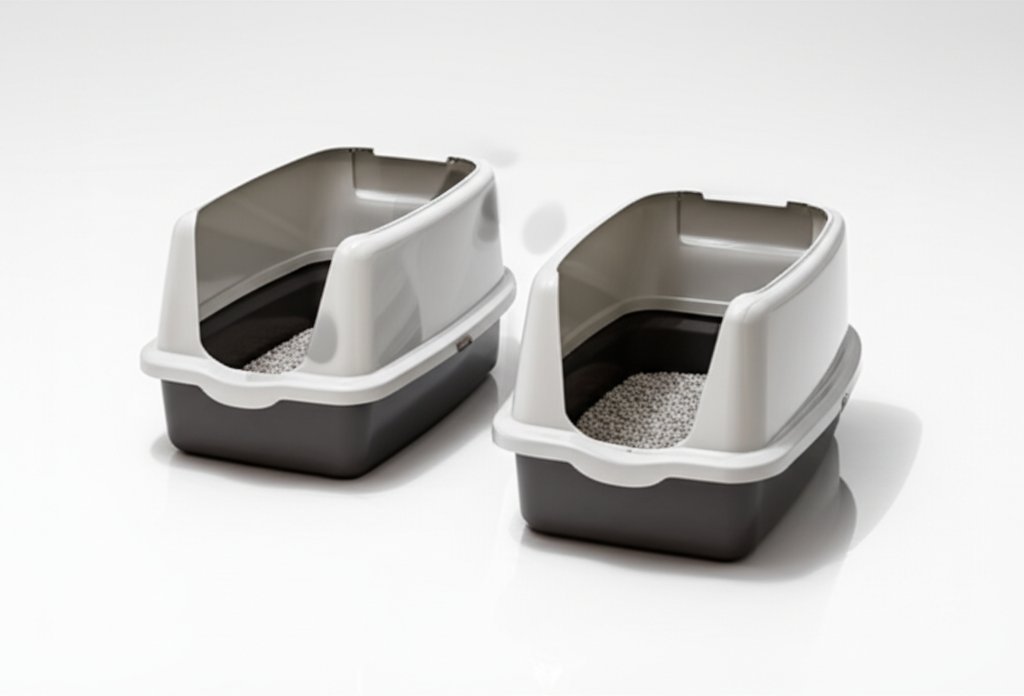
Open boxes: Cats see surroundings. Easy access. Better ventilation.
Covered boxes: Contain odor and litter scatter. Some cats feel trapped.
Cat preference varies: Some cats love privacy; others need escape routes.
Try both: If cat avoids covered box, try open, or vice versa.
Self-Cleaning Technology
How automatic boxes work:
Rotating mechanism: Drum rotates, sifting waste into compartment.
Rake system: Mechanical rake pushes waste to collection area.
Sensors: Detect cat presence, delay cleaning cycle.
App connectivity: Monitor usage, waste levels remotely.
The Thereye self-cleaning uses sensors and automatic sifting.
Self-Cleaning Pros and Cons
Realistic expectations:
Pros:
- Less frequent scooping (not zero—still need maintenance)
- Fresher litter longer
- Usage monitoring
- Better odor control
Cons:
- High initial cost
- Mechanical failure risk
- Some cats refuse to use
- Still needs litter refilling and waste disposal
Litter Compatibility
What works with different boxes:
Clumping clay: Works with most boxes. Standard choice.
Non-clumping: Basic boxes only. Automatic boxes need clumping.
Silica crystal: Some automatic boxes designed for crystal litter.
Alternative litters: Wood, paper, corn—verify compatibility with automatic boxes.
The Purina Tidy Cats system uses specific litter formulation.
Multi-Cat Considerations
Households with multiple cats:
One box per cat + one: Standard recommendation for litter boxes.
Box size: Larger boxes for multi-cat use.
Automatic capacity: Self-cleaning waste compartments fill faster.
Location: Multiple boxes in different locations.
Size Matters
Box dimensions for cat comfort:
Length: At least 1.5x cat's length (nose to tail base).
Width: Cat should turn around comfortably.
Depth: Enough for adequate litter depth without overflow.
Large cats: Standard boxes too small for Maine Coons, etc.
Litter Depth
How much litter to use:
Too shallow (under 2"): Odor control and clumping suffer.
Too deep (over 4"): Wasted litter, some cats dislike it.
Sweet spot (2-3"): Adequate for clumping, digging, covering.
Self-cleaning boxes: Often have specific depth requirements.
Odor Control
Managing the smell:
Scooping frequency: Daily scooping most effective for standard boxes.
Covered boxes: Contain odor but concentrate it inside.
Carbon filters: Some boxes include odor-absorbing elements.
Automatic boxes: Frequent cycling reduces odor exposure.
Litter quality: Better litter = better odor control.
Placement
Where to put litter boxes:
Quiet location: Away from loud appliances, high traffic.
Easy access: Cat shouldn't have to navigate obstacles.
Not near food: Cats prefer separation between eating and elimination.
Multiple floors: One box per floor in multi-story homes.
Maintenance Reality
What cleaning involves:
Standard boxes: Scoop daily. Complete change weekly or bi-weekly.
Self-cleaning: Empty waste compartment. Add litter. Clean mechanism occasionally.
Deep cleaning: Monthly wash for all box types.
Litter mat: Catch scattered litter, reduce tracking.
Cat Rejection
When cats won't use the box:
Reasons: Wrong litter, wrong location, too dirty, stressful mechanism.
Solutions: Try different litter, move box, clean more often, disable scary features.
Medical check: Sudden avoidance may indicate health issues.
Patience: Changes need adjustment period.
Practical Recommendations
For most cat owners: Simple covered or open box, scooped daily. Most reliable and affordable.
For hate-scooping: Self-cleaning investment worth considering. Verify cat acceptance before committing.
For multi-cat households: Multiple boxes. Consider one automatic plus manual backups.
For large cats: Oversized boxes or storage containers as litter boxes.
The key insight: self-cleaning boxes reduce scooping but don't eliminate maintenance. Some cats reject them. Test cat acceptance before fully committing to expensive automated solutions.
Frequently Asked Questions
What should I look for when buying cat litter boxes?
Key factors include build quality, user reviews, and value for money. Top-rated options like the Thereye Thereye Self Cleaning Cat Litter Box (4.3★ from 40 reviews) demonstrate what quality looks like in this category.
How much do cat litter boxes typically cost?
Prices range from $5 to $200, with most quality options around $79. Budget options under $7 work for occasional use, while premium models over $119 offer better durability and features.
Which cat litter boxes are most popular right now?
The Thereye Self Cleaning Cat Litter Box is currently top-rated with 4.3★ from 40 verified reviews. Check our full comparison at /best/cat-litter-boxes for all top picks.
⚖️ Quick Comparison
| Product | Price | Rating | Key Feature |
|---|---|---|---|
| $199.99 | Open Design Cats Love Roomier open-top entry reduces fits tiny kittens (3 lbs) t... | ||
| $61.99 | The Whole System Extra large litter box system combines Ion litter pads, Zeolite... | ||
| $55.48 | EXTRA LARGE XXXL SIZE The XL stainless steel litter box measures 23.65"L × 15.75... |