 PickPundit
📦 Hur man väljer de bästa robotmopparna: Komplett köpguide

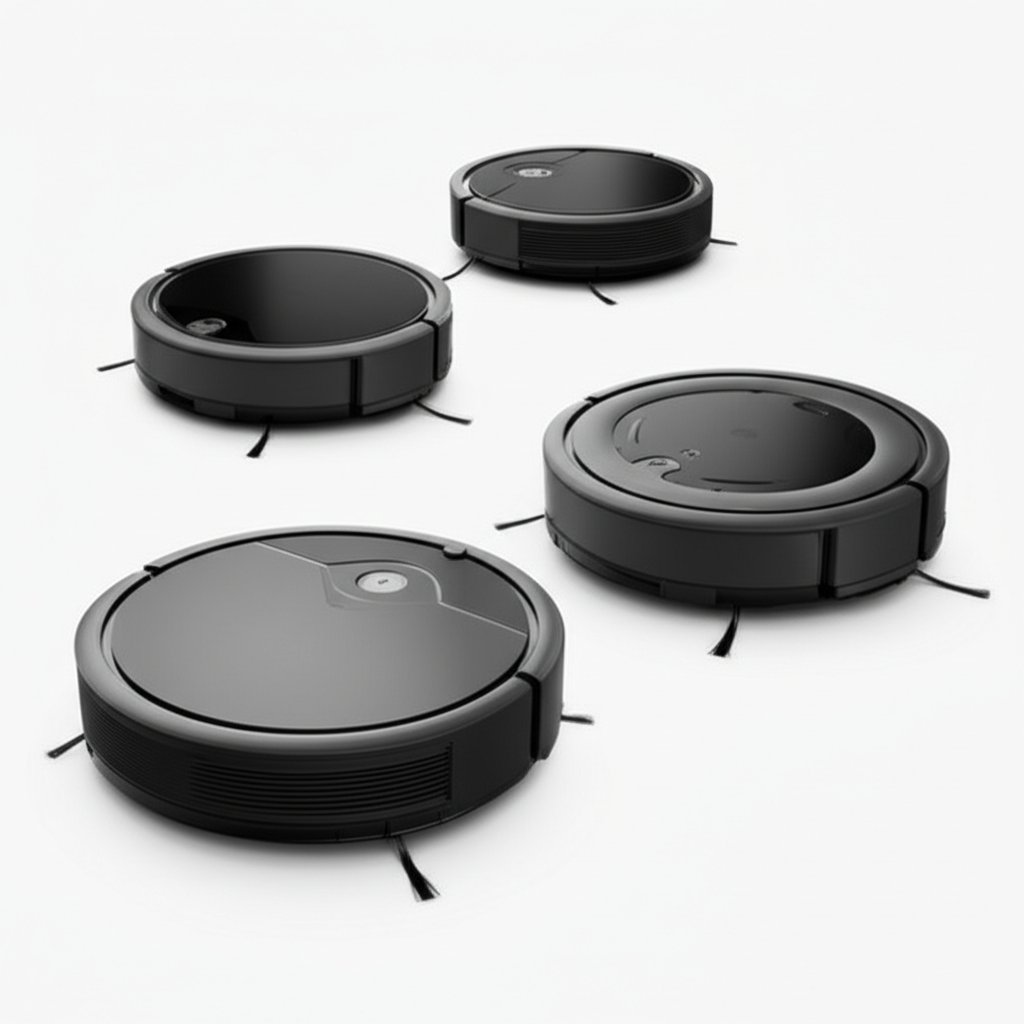
Complete robot mops buying guide. Learn what features matter, compare top products, and find the best robot mops for your budget.
View Top Picks →Table of Contents
Robot Mops: The Autonomous Cleaning That Actually Works Now
Robot vacuum-mop combos have evolved beyond the "smears dirt around" criticism that plagued early models. Modern units with high suction, intelligent navigation, and self-cleaning mop systems deliver genuine floor cleaning that approaches manual mopping quality.
Understanding current capabilities prevents both dismissing improved technology and expecting perfection.
Vacuum-Mop Integration
Modern robot mops don't just attach damp pads—they integrate vacuuming and mopping:
Vacuum first: High suction removes debris before mopping
Mop lifting: Pads lift when transitioning to carpet, preventing wet carpet issues
Mopping pressure: Some units apply downward pressure for scrubbing action
Water management: Controlled water dispensing prevents flooding
The NARWAL Freo S at $260 and roborock models exemplify this integration—vacuum and mop working together as designed system rather than afterthought attachment.
Suction Power Matters
Suction ratings (Pa - Pascal) indicate vacuuming capability:
5000-6000 Pa: Good for light debris, struggles with embedded dirt
7000-8000 Pa: The roborock Q7 L5's 8000 Pa handles typical household debris well
8000-10000+ Pa: The roborock Q10 S5's 10000 Pa addresses demanding cleaning needs
Higher suction improves vacuum performance but increases noise and battery consumption. Variable suction modes balance cleaning power with efficiency.
Navigation Technology
Robot mop navigation determines cleaning efficiency:
LiDAR navigation: Laser-based mapping for precise room layouts. Most effective but adds cost.
Camera navigation: Visual mapping, effective in good lighting, struggles in dark conditions.
Bump navigation: Basic random patterns with obstacle contact. Least efficient, misses areas, repeats others.
Premium units (NARWAL, roborock, Ecovacs) use LiDAR for reliable, efficient navigation. Budget units with bump navigation require longer run times and miss areas.
Self-Cleaning Stations
Self-cleaning mop stations represent significant advancement:
Mop washing: Station washes mop pads between rooms or after cleaning
Hot water cleaning: Some stations use hot water for better sanitization
Drying: Prevents mildew growth in stored pads
Water tank refilling: Extends cleaning range without manual intervention
These stations add cost ($150-300 premium) but eliminate the gross task of cleaning dirty mop pads manually.
Mop Pad Types
Robot mops use different mopping mechanisms:
Rotating pads: Spin while pressing floor, providing scrubbing action
Vibrating pads: Oscillate for cleaning pressure
Dragging pads: Simple attachment dragged behind robot
Disposable vs washable: Ongoing costs vs cleaning requirements
Rotating and vibrating systems outperform simple drag pads significantly—the mechanical action addresses stuck debris that dragging only smears.
Multi-Floor Handling
Robot mops navigate different flooring types:
Hard floors: Primary mop territory—tile, vinyl, hardwood
Carpet detection: Quality units detect carpet and lift mops automatically
Carpet avoidance: Some units avoid carpet entirely during mop mode
Transition handling: Moving between surface types smoothly
Carpet protection features prevent the wet-carpet disasters that plagued early robot mops.
App Control and Mapping
App integration provides:
Room mapping: View and edit floor plans
Zone cleaning: Target specific areas for cleaning
Scheduling: Automated cleaning at preferred times
No-go zones: Prevent robot from entering certain areas
Cleaning history: Track when and where robot cleaned
App functionality varies—some robots work standalone while others essentially require app for useful operation.
Maintenance Requirements
Robot mops require regular maintenance:
Mop pad cleaning/replacement: Weekly to monthly depending on use
Dustbin emptying: After each use or via self-emptying station
Brush cleaning: Hair and debris accumulation affects performance
Sensor cleaning: Dirty sensors impair navigation
Water tank refilling: Before mopping sessions
Self-maintaining stations reduce but don't eliminate maintenance—they shift tasks from daily to weekly frequency.
Practical Recommendations
For hard-floor-primary homes: Robot mops provide genuine value—hands-off floor cleaning that actually works.
For mostly-carpet homes: Vacuum-only robots may provide better value—mopping features unused.
For premium experience: NARWAL and high-end roborock models with self-cleaning stations minimize hassle.
For budget entry: The roborock Q7 L5 at $130 provides capable vacuum-mop function without premium pricing.
The key insight: modern robot mops actually clean floors effectively. The technology has matured beyond gimmick status to genuine household utility.
Frequently Asked Questions
Vad ska jag leta efter när jag köper robotmoppar?
Nyckelfaktorer inkluderar byggkvalitet, användarrecensioner och valuta för pengarna. Topprankade alternativ som Narwal Narwal Freo S Robot Vacuum och Mop Combo (4.2★ från 523 recensioner) visar hur kvaliteten ser ut i denna kategori.
Hur mycket kostar robotmoppar vanligtvis?
Priserna varierar från $86 till $800, med de flesta kvalitetsalternativ runt $292. Budgetalternativ under 129 USD fungerar för tillfällig användning, medan premiummodeller över 438 USD erbjuder bättre hållbarhet och funktioner.
Vilka robotmoppar är mest populära just nu?
Narwal Freo S Robot Vacuum and Mop Combo är för närvarande topprankad med 4,2★ från 523 verifierade recensioner. Kolla vår fullständiga jämförelse på /Best/Robot-Mops för alla toppval.


