 PickPundit

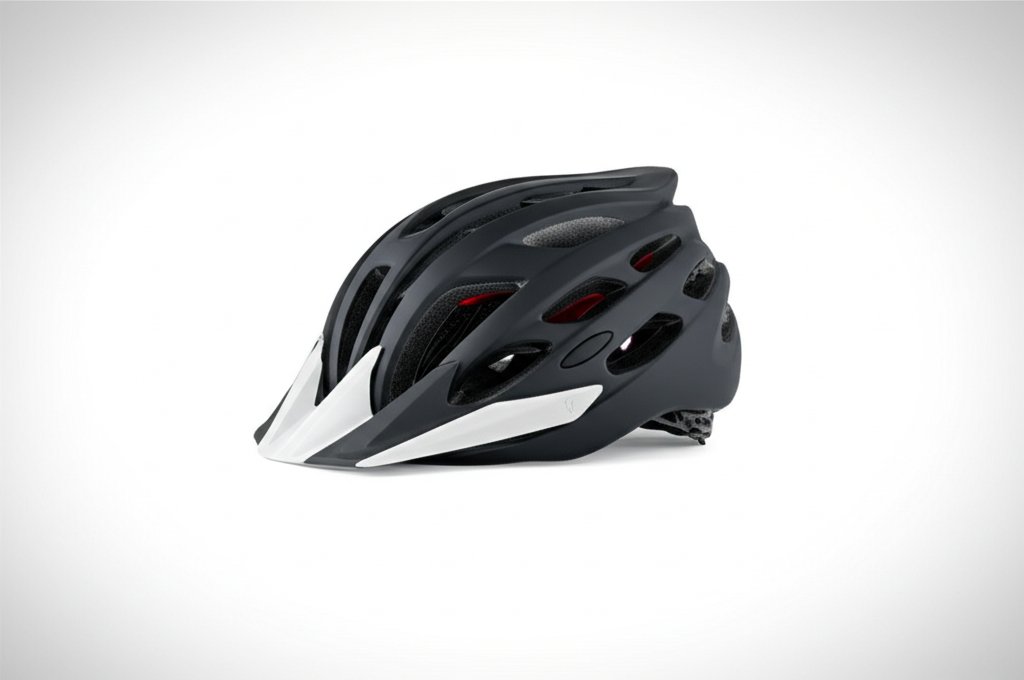
Complete bike helmets buying guide. Learn what features matter, compare top products, and find the best bike helmets for your budget.
View Top Picks →Table of Contents
Bike Helmets: Safety Standards, Fit, and the Features That Actually Matter
All bike helmets sold in the US must meet CPSC (Consumer Product Safety Commission) standards for impact protection. This baseline means even inexpensive helmets provide essential protection—premium prices buy comfort, ventilation, and weight reduction rather than fundamentally better safety.
Understanding Safety Certifications
CPSC certification is legally required for US sales. Beyond this, some helmets carry additional certifications: MIPS (Multi-directional Impact Protection System) addresses rotational forces during angled impacts, which standard testing doesn't evaluate.
MIPS adds $15-50 to helmet prices. Research suggests benefits for certain crash types, though real-world evidence remains limited. The technology can't hurt and may help—whether it justifies the cost depends on your risk tolerance and budget.
Dutch NTA 8776 certification (for speed e-bikes) and European EN 1078 standards offer different test protocols. Helmets meeting multiple standards aren't necessarily safer but have passed varied testing conditions.
Fit: The Most Critical Factor
A properly fitted helmet protects far better than a loose premium model. The helmet should sit level on your head, not tilted back. The front edge should be about two fingers' width above your eyebrows.
Side straps should form a V under each ear, with the buckle centered under your chin. When you open your mouth wide, you should feel the helmet press down slightly on your head—if not, tighten the straps.
The rear adjustment dial should snug the helmet firmly without pressure points. Shake your head vigorously: if the helmet shifts significantly, adjust fit or try a different size.
Ventilation vs Protection Trade-offs
More vents mean better airflow and lighter weight but slightly less protection area. Road cycling helmets prioritize ventilation with many large openings. Mountain and commuter helmets balance more coverage against cooling needs.
In hot climates, adequate ventilation prevents overheating that might tempt riders to remove helmets. A well-ventilated helmet you'll actually wear protects better than a solid helmet gathering dust.
Weight and Comfort
Premium helmets weigh 200-250 grams; budget options run 300-400 grams. The difference feels noticeable during long rides but barely matters for casual cycling. Pay for weight reduction only if you ride frequently and far.
Internal padding affects comfort more than most features. Quality helmets use moisture-wicking materials that remain comfortable during sweaty rides. Removable, washable padding extends helmet freshness.
Helmet Lifespan
Foam degrades over time through UV exposure and regular impacts from handling. Replace helmets every 3-5 years even without crashes. Any helmet involved in an actual crash should be immediately replaced—foam compression may not be visible but protection is compromised.
Storing helmets away from extreme heat (like car interiors) and direct sunlight extends functional lifespan. The foam degradation is cumulative and irreversible.
Practical Recommendations
For casual riders, a $40-60 helmet meeting CPSC standards with good fit provides excellent protection. Prioritize trying on helmets over buying online—fit varies significantly between brands and models.
Regular cyclists benefit from MIPS technology and better ventilation ($75-150 range). The comfort improvement for frequent riders justifies the premium.
For commuting in traffic, visibility matters: bright colors and integrated lights increase driver awareness. Some helmets include reflective elements or mount points for aftermarket lights.
Children's helmets should fit properly and be worn consistently. Resist sizing up for growth—an ill-fitting helmet offers compromised protection. Replace as heads grow, treating helmets as consumable safety equipment.
Frequently Asked Questions
购买自行车头盔时应该注意什么?
关键因素包括构建质量、用户评论和物有所值。 顶级选项,如带有 LED 安全性的 Retrospec Retrospec 列侬成人自行车头盔(来自 2,411 条评论的 4.6 分)展示了这一类别中的质量。
自行车头盔通常要花多少钱?
价格从 16 美元到 85 美元不等,大多数质量选项在 38 美元左右。 24 美元以下的预算选项可用于偶尔使用,而超过 57 美元的高级型号提供更好的耐用性和功能。
哪些自行车头盔现在最受欢迎?
带LED安全灯ADJ的Retrospec列侬成人自行车头盔目前以2,411条经过验证的评论中的4.6★最高评分。 查看我们在 /best/bike-heldes 的所有顶级选秀权的完整比较。
⚖️ Quick Comparison
| Product | Price | Rating | Key Feature |
|---|---|---|---|
| $39.99 | STAY VISIBLE Built-in 5-LED bike helmet light with 3 functions keeps you seen by... | ||
| $33.99 | Impact Resistance - High-density foam cushioning protects your head from potenti... | ||
| $29.99 | PREMIUM PROTECTION Hard and fully formed ABS surrounds high quality EPS foam to ... |


