 PickPundit

Complete diapers buying guide. Learn what features matter, compare top products, and find the best diapers for your budget.
View Top Picks →Table of Contents
Diapers: The Daily Essential That Consumes Budgets
Diapers represent one of parenting's largest ongoing expenses—roughly $70-80 monthly for the first 2-3 years. Understanding diaper types, sizing nuances, and brand differences helps optimize this unavoidable spending while minimizing leaks, blowouts, and midnight changes.
Disposable Diaper Basics
Modern disposable diapers work through layered construction:
Absorbent core (sodium polyacrylate) turns liquid into gel, holding multiple urinations.
Waterproof outer layer prevents leaks to clothing and surfaces.
Soft inner layer keeps moisture away from baby's skin.
Elastic leg cuffs and waistbands create seals preventing leaks.
Premium brands (Huggies, Pampers at $45-52) optimize these elements for better absorption and fit; budget brands compromise on materials or construction.
Size Transitions
Diaper sizing runs by weight, not age:
Newborn (up to 10 lbs): smallest size, often with umbilical cord cutout.
Size 1 (8-14 lbs): post-newborn transition.
Size 2 (12-18 lbs): rapid growth phase.
Size 3 (16-28 lbs): longest-wearing size for many babies.
Size 4-6: toddler sizes with increasing capacity.
Signs to size up: frequent leaks, red marks from elastic, difficulty fastening tabs.
Signs to size down (rare): gaps at legs allowing leaks, excessive bulk.
Size overlap exists intentionally—babies near weight boundaries may fit either size, with larger sizes offering more absorption.
Huggies vs Pampers Reality
The major brand rivalry involves real differences:
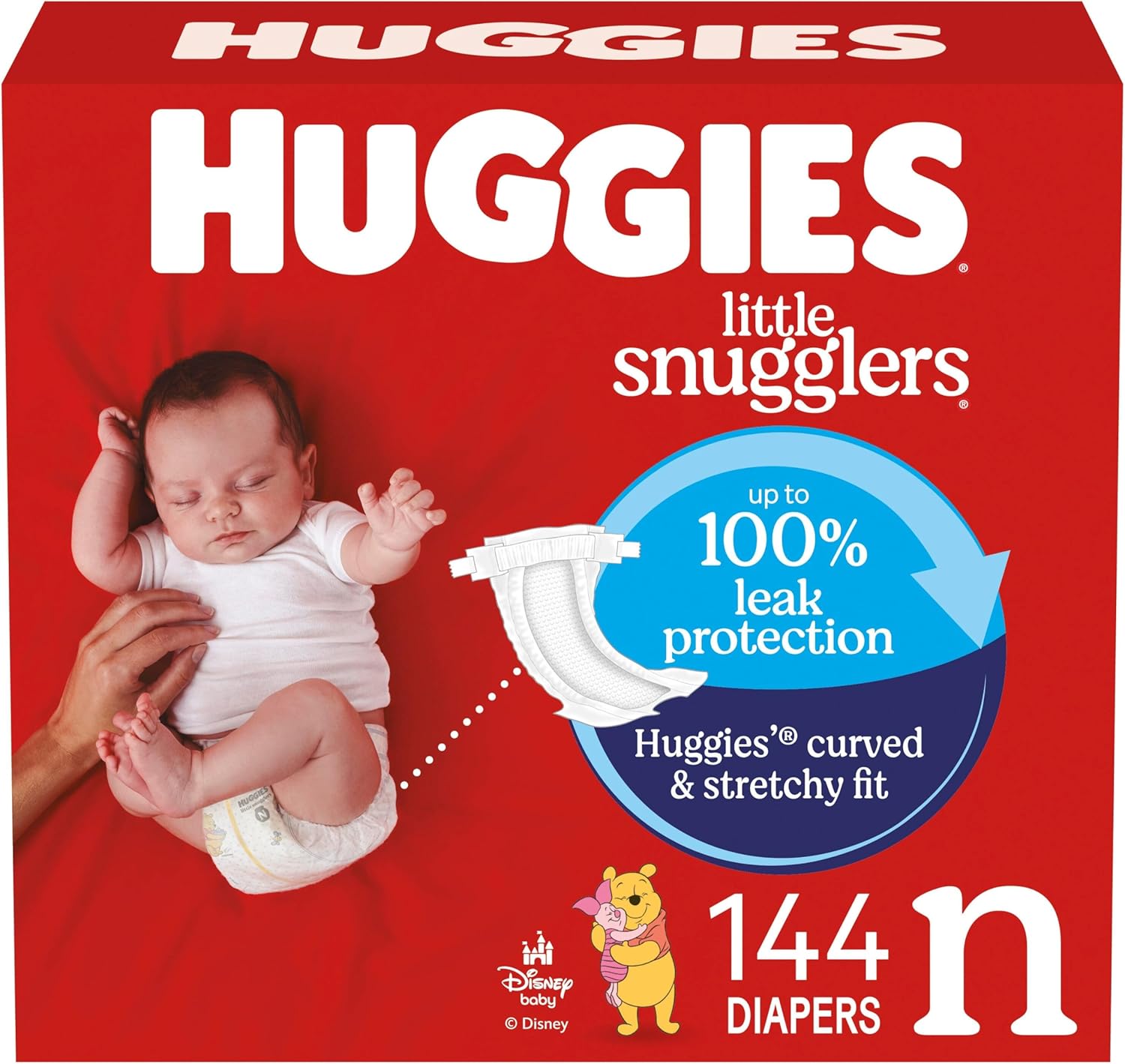
Huggies Little Snugglers (at $45) emphasizes soft materials and wetness indicators. Generally runs slightly wider in the hips.
Pampers Cruisers 360 (at $52) features pull-on design for active babies, with 360-degree stretchy waistband eliminating tabs.
Fit variations: Different baby body types fit different brands better. Chunkier babies may prefer Huggies; leaner babies may prefer Pampers.
Neither is universally superior—best brand depends on your specific baby's body shape and your leak patterns.
Budget Brand Reality
Store brands and budget options offer significant savings:
Store brands (Target Up & Up, Walmart Parent's Choice, Costco Kirkland) cost 20-40% less than premium brands.
Performance gap: Budget brands have improved significantly. Many parents find store brands adequate, though some experience more leaks.
Trial approach: Try budget brands during daytime when changes are frequent; use premium brands overnight when absorption matters most.
Break-even calculation: Premium brands costing $0.35/diaper vs budget at $0.22/diaper saves $400+ annually—worth testing.
Overnight Diapers
Extended wear requires specific products:
Increased absorption handles 10-12 hour wear without changes.
Premium overnight options from major brands specifically target overnight use.
Size-up strategy: Some parents use one size larger at night for additional absorption without buying special overnight diapers.
Wetness tolerance: If baby sleeps through night despite wetness, standard diapers may suffice; sensitive skin may require overnight products.
Wipes Consideration
Diapers and wipes work together:
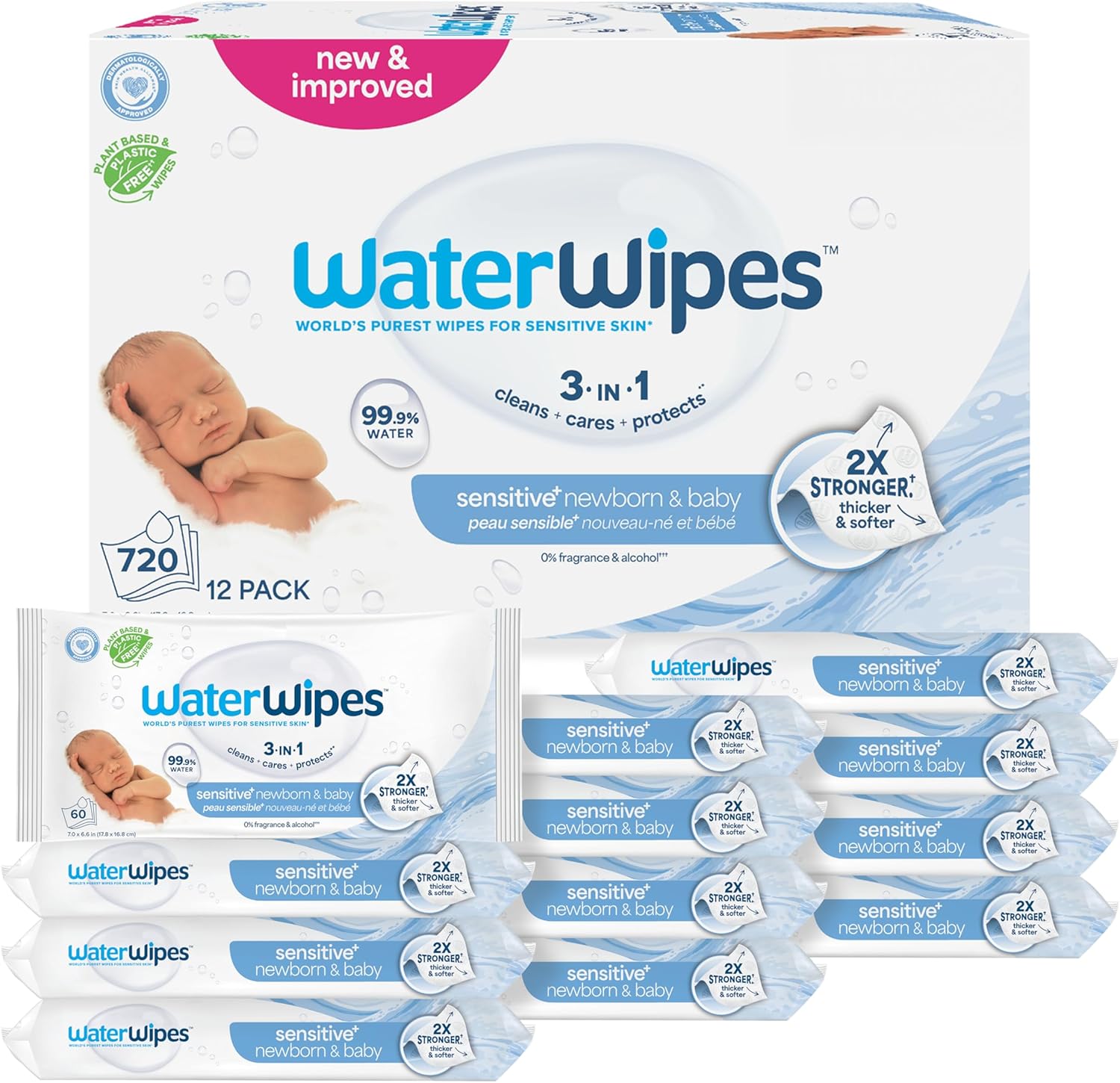
WaterWipes (at $45 for sensitive skin) contain 99.9% water and minimal other ingredients—ideal for newborns and sensitive skin.
Standard wipes contain mild cleansers and preservatives—adequate for most babies.
Sensitive skin may react to fragrances or chemicals in standard wipes.
Wipe warmers are convenience items, not necessities—some babies don't care about wipe temperature.
Diaper Rash Prevention
Proper diaper use affects skin health:
Frequent changes prevent extended moisture contact with skin.
Proper fit without excessive tightness allows air circulation.
Barrier creams protect skin during diaper contact.
Diaper-free time allows skin to breathe and dry.
Premium diapers' better moisture-wicking may reduce rash in sensitive babies—one argument for paying more.
Subscription Services
Amazon and other subscriptions offer convenience:
Subscribe & Save provides 15-20% discounts on recurring deliveries.
Delivery convenience eliminates emergency store runs.
Size change hassles: Subscription modifications during rapid growth phases require attention.
Quantity management: Over-ordering wrong sizes wastes money; subscription volumes should match actual usage.
Diaper Quantity Planning
Usage varies by age:
Newborns: 10-12 diapers daily (frequent small outputs).
3-6 months: 8-10 diapers daily.
6-12 months: 6-8 diapers daily.
Toddlers: 4-6 diapers daily.
A monthly diaper budget might be:
- Newborn: 300+ diapers ($90-100)
- 6-month-old: 240 diapers ($70-80)
- Toddler: 150 diapers ($50-60)
Pull-Ups and Training
Transition products bridge diaper and underwear:
Pull-up diapers (like Pampers Cruisers 360) use pull-on design before actual potty training—convenience for active babies.
Training pants absorb small accidents while encouraging potty learning.
Overnight training pants handle nighttime accidents during the transition period.
Timing varies enormously—some children potty train at 2, others at 4. Don't rush based on diaper costs.
Eco-Friendly Options
Environmental considerations add complexity:
Biodegradable diapers (Honest Company, Seventh Generation) use more sustainable materials at premium prices.
Cloth diapers eliminate disposable waste but require washing, drying, and significantly more effort.
Diaper services provide cloth diaper delivery and laundering—convenience with environmental benefits.
Realistic assessment: Cloth diapering saves money long-term but demands ongoing time and effort that some families can't provide.
Blowout Prevention
Catastrophic diaper failures have patterns:
Size issues: Too-small diapers are the primary blowout cause.
Fit problems: Improperly positioned diapers allow leaks.
Leg cuff positioning: Ensure elastic cuffs fold outward, not tucked in.
Back waist gaps: Loose back waistbands enable up-the-back explosions.
Premium diaper construction and proper sizing significantly reduce blowouts.
Practical Recommendations
For newborns: Don't stockpile newborn sizes—babies outgrow them quickly. Buy one package and size up as needed.
For budget management: Try store brand diapers during day, premium overnight. Test before committing to bulk purchases.
For sensitive skin: Start with gentle wipes and fragrance-free diapers. Introduce standard products gradually.
For overnights: Size up or use dedicated overnight diapers to prevent midnight changes.
For subscription use: Start conservatively and adjust quantities based on actual usage patterns.
The long-term perspective: diaper phase ends. Don't stress over every penny—but don't ignore savings opportunities either.
Frequently Asked Questions
买尿布时应该注意什么?
关键因素包括构建质量、用户评论和物有所值。 Huggies Huggies 尺寸新生尿布(来自 75,341 条评论中的 4.8 分)等顶级选项展示了该类别中的质量。
尿布通常要多少钱?
价格从 3 美元到 60 美元不等,大多数质量选项在 32 美元左右。 4 美元以下的预算选项可用于偶尔使用,而超过 48 美元的高级型号提供更好的耐用性和功能。
哪些尿布现在最受欢迎?
Huggies 尺寸的新生儿尿布目前以 75,341 条经过验证的评论为 4.8 分。 查看我们在 /best/diapers 的完整比较以了解所有首选。
⚖️ Quick Comparison
| Product | Price | Rating | Key Feature |
|---|---|---|---|
| $44.99 | Huggies Size Newborn Diapers 144 Little Snugglers Baby Diapers, size Newborn (up... | ||
| $51.77 | Pampers Cruisers 360° babyproof diaper is designed without tape, so babies can’t... | ||
|
#3
|
$44.97 | MADE WITH BABY IN MIND Crafted to gently clean and help protect premature, infan... |