 PickPundit

Complete fitness trackers buying guide. Learn what features matter, compare top products, and find the best fitness trackers for your budget.
View Top Picks →Table of Contents
Fitness Trackers: Activity Monitoring Beyond Step Counting
Fitness trackers evolved from simple pedometers to comprehensive health monitors—tracking steps, heart rate, sleep, and more. Understanding what metrics actually matter and accuracy limitations helps choose trackers that genuinely support health goals.
What Trackers Monitor
Common tracking features:
Steps: Basic pedometer function. Most accurate metric.
Heart rate: Optical sensors measure pulse. Varies in accuracy.
Sleep: Duration and quality estimates based on movement and heart rate.
Calories burned: Estimates based on activity and personal data.
Exercise recognition: Auto-detect activities like walking, running, cycling.
Accuracy Reality
Understanding limitations:
Steps: Generally accurate within 5-10%.
Heart rate: Reasonably accurate at rest. Less accurate during intense exercise.
Calories: Rough estimates at best. Don't rely for precise nutrition tracking.
Sleep stages: Interesting data, not clinically accurate.
Why it matters: Use for trends and motivation, not medical diagnosis.
Fitness Tracker vs Smartwatch
Choosing between categories:
Fitness trackers: Focused features, longer battery, lower cost.
Smartwatches: Full apps, notifications, phone integration.
Hybrid approach: Many smartwatches include fitness tracking.
Battery tradeoff: Trackers last weeks; smartwatches need daily charging.
Heart Rate Features
What optical HR provides:
Resting heart rate: Good baseline health indicator.
Exercise zones: Target zones for training.
Heart rate variability: Stress and recovery indicator.
Abnormal rhythm detection: Some detect irregular heartbeats—not a replacement for medical monitoring.
Sleep Tracking
What sleep data shows:
Duration: Total sleep time.
Stages: Light, deep, REM estimates.
Sleep score: Overall quality assessment.
Limitations: Position-based estimation, not EEG-accurate.
Useful for: Identifying patterns, seeing if changes help.
Display Types
Screen options:
No display: Simplest, longest battery. Sync to phone for data.
Monochrome OLED: Basic data display, good battery.
Color display: More information, shorter battery.
Touchscreen: Interactive interface.
Battery Life
How long between charges:
Simple trackers: 1-2 weeks common.
Feature-rich trackers: 5-7 days typical.
Always-on display: Reduces battery significantly.
GPS usage: Drains battery quickly.
Water Resistance
Protection levels:
Splash resistant: Sweat and rain okay.
Swim proof (5ATM): Swimming and showering safe.
Deeper rating: Diving watches only.
What most need: Swim-proof handles all normal scenarios.
GPS Capabilities
Location tracking options:
Connected GPS: Uses phone GPS. Battery efficient.
Built-in GPS: Independent tracking. Heavier battery drain.
When GPS matters: Running, cycling where you want route mapping.
App Ecosystems
Software matters:
Companion apps: Where you view detailed data.
Third-party integration: Export to other health apps.
Social features: Challenges and sharing with friends.
Subscription services: Some features locked behind subscriptions.
Brand Ecosystems
Major players:
Fitbit: Established tracker brand. Good app ecosystem.
Garmin: Fitness-focused, excellent GPS and training features.
Apple Watch: Premium smartwatch with fitness features.
Budget options: Basic tracking at lower prices.
Practical Recommendations
For basic tracking: Simple band with steps, heart rate, sleep. Fitbit Inspire or similar.
For runners/cyclists: GPS-enabled tracker or Garmin for serious training.
For motivation seekers: App with good social features and challenges.
For budget entry: Basic tracker to test commitment before investing more.
The key insight: fitness trackers provide motivation and awareness, not medical-grade data. Choose based on features you'll actually use, battery life you can tolerate, and app ecosystem you find engaging.
Frequently Asked Questions
购买健身追踪器时应该注意什么?
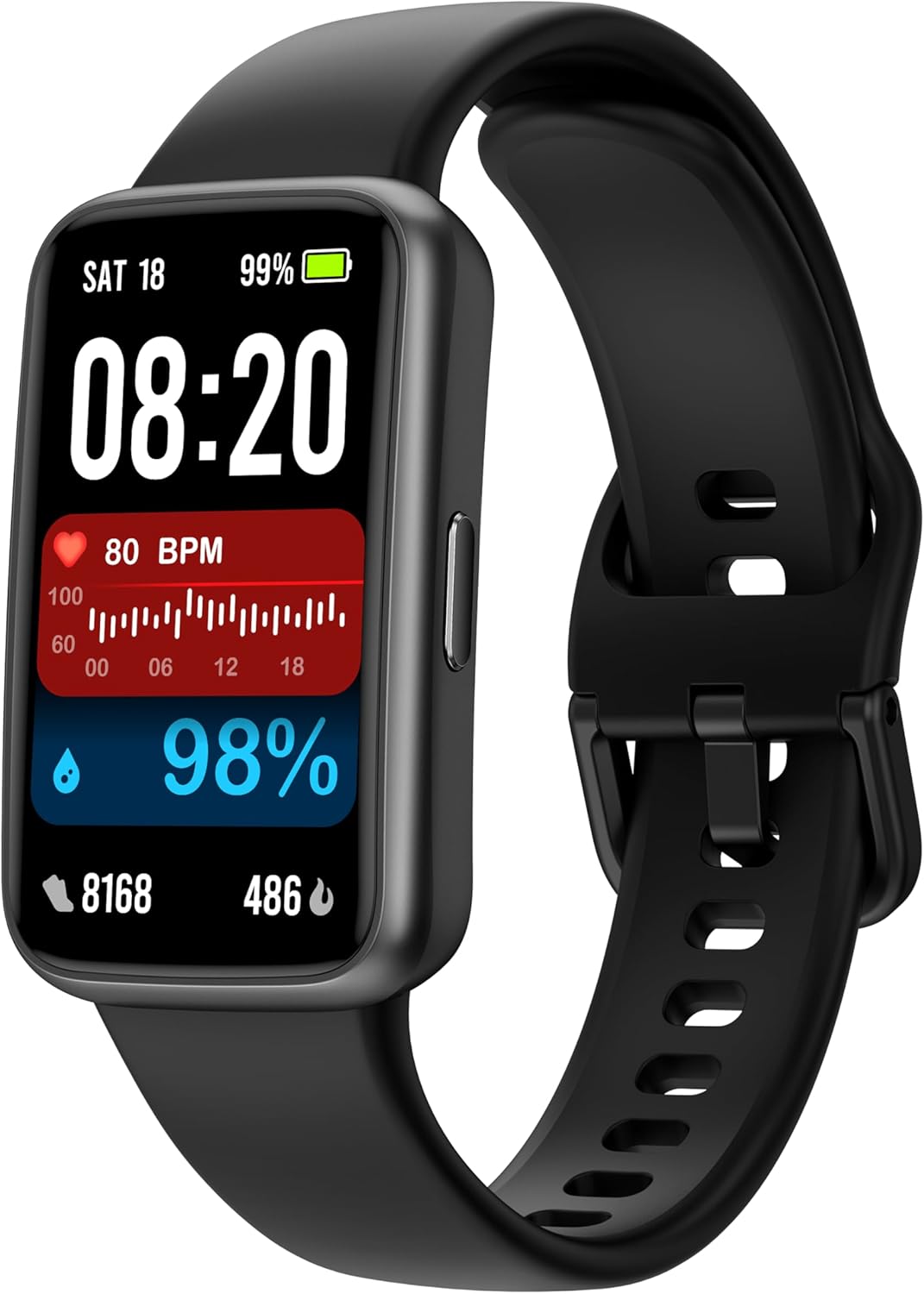
关键因素包括构建质量、用户评论和物有所值。 带有心率监测器的 Livikey Fitness Tracker Watch (4,688 条评论中的 4 分)等顶级选项展示了该类别中的质量。
健身追踪器通常要花多少钱?
价格从 6 美元到 215 美元不等,大多数质量选项在 67 美元左右。 10 美元以下的预算选项可用于偶尔使用,而超过 101 美元的高级型号提供更好的耐用性和功能。
哪些健身追踪器现在最受欢迎?
带心率监测器的健身追踪器腕表目前以 4,688 条经过验证的评论中的 4 分评为最高。 在 /best/fitness-trackers 中查看我们的完整比较,了解所有热门精选。
⚖️ Quick Comparison
| Product | Price | Rating | Key Feature |
|---|---|---|---|
| $19.99 | Heart Rate and Sleep Monitoring The Fitness Tracker monitors your heart rate aut... | ||
| $29.99 | 100+ Exercise Modes & 3ATM Waterproof The Enfit Fitness Trackers offers 100+ wor... | ||
| $63.98 | Stylish Design, Vibrant Display The lightweight aluminum build blends effortless... |