 PickPundit

Complete mirrorless cameras buying guide. Learn what features matter, compare top products, and find the best mirrorless cameras for your budget.
View Top Picks →Table of Contents
Mirrorless Cameras: Sensor Sizes, Lens Ecosystems, and Photography Applications
Mirrorless cameras offer DSLR quality in more compact bodies with electronic viewfinders. Understanding sensor options and system considerations helps select appropriate mirrorless camera systems.
Mirrorless vs DSLR
No optical viewfinder mirror box.
Electronic viewfinder shows actual exposure.
Generally smaller and lighter.
Video capabilities often superior.
Sensor Size Categories
Full-frame: professional, low light excellence.
APS-C: enthusiast, good balance.
Micro Four Thirds: compact, deep depth of field.
Sensor size affects image quality and lens size.
Full-Frame Advantages
Best low-light performance.
Shallow depth of field control.
Professional image quality.
Larger lenses and bodies.
APS-C Benefits
Smaller, lighter than full-frame.
Crop factor extends telephoto reach.
Quality sufficient for most uses.
More affordable systems.
Lens Ecosystem Importance
Lenses are long-term investment.
Native lens selection varies by brand.
Adapted lenses may limit features.
Evaluate lens availability before choosing system.
Major Systems
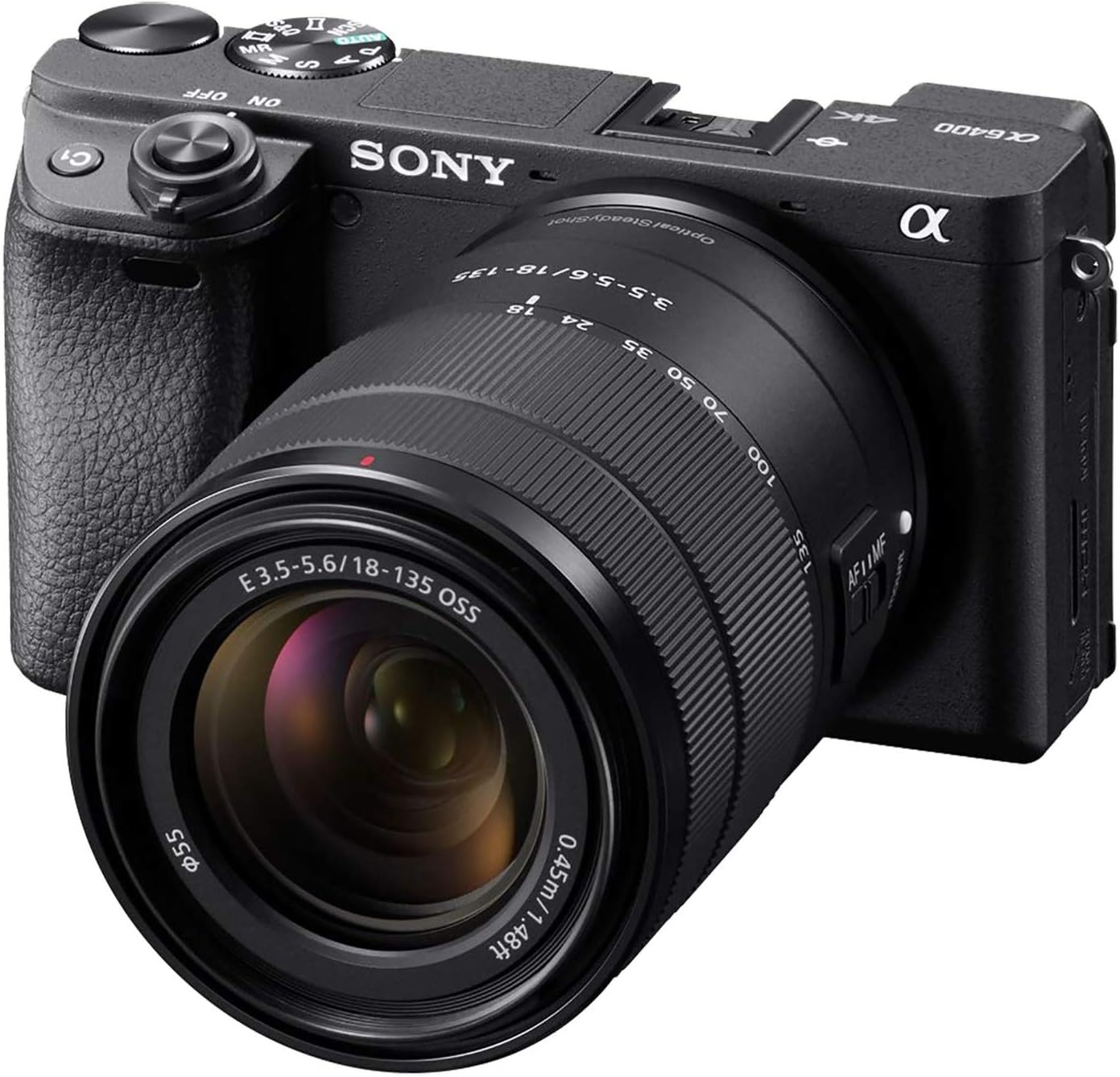
Sony E-mount: mature, extensive lenses.
Canon RF: growing rapidly, excellent glass.
Nikon Z: quality bodies, expanding lenses.
Fujifilm X: APS-C focused, excellent colors.
Autofocus Technology
Eye-tracking AF standard on modern cameras.
Subject recognition (animals, vehicles).
Continuous AF speed varies.
AF performance critical for action.
Video Capabilities
4K standard, 4K60 on higher models.
Log profiles for color grading.
External recording options.
Mirrorless excels for video.
Body Stabilization
In-body stabilization (IBIS).
Compensates for camera shake.
Works with all lenses.
Increasingly common feature.
Electronic Viewfinder Quality
Resolution affects viewing experience.
Lag in early models improved.
See exposure before shooting.
Quality varies by price tier.
Battery Considerations
Mirrorless uses more power than DSLR.
Battery life varies significantly.
Carry spare batteries.
USB charging convenient for travel.
Practical Recommendations
For enthusiasts, APS-C mirrorless systems ($800-1500 with lens) offer excellent capability.
For professionals, full-frame systems ($1500-3000+ with lens) provide maximum quality.
Evaluate lens ecosystems carefully—camera bodies change, lenses last years.
Consider video needs if relevant—mirrorless often excels at video.
Frequently Asked Questions
购买无反光镜相机时应该注意什么?
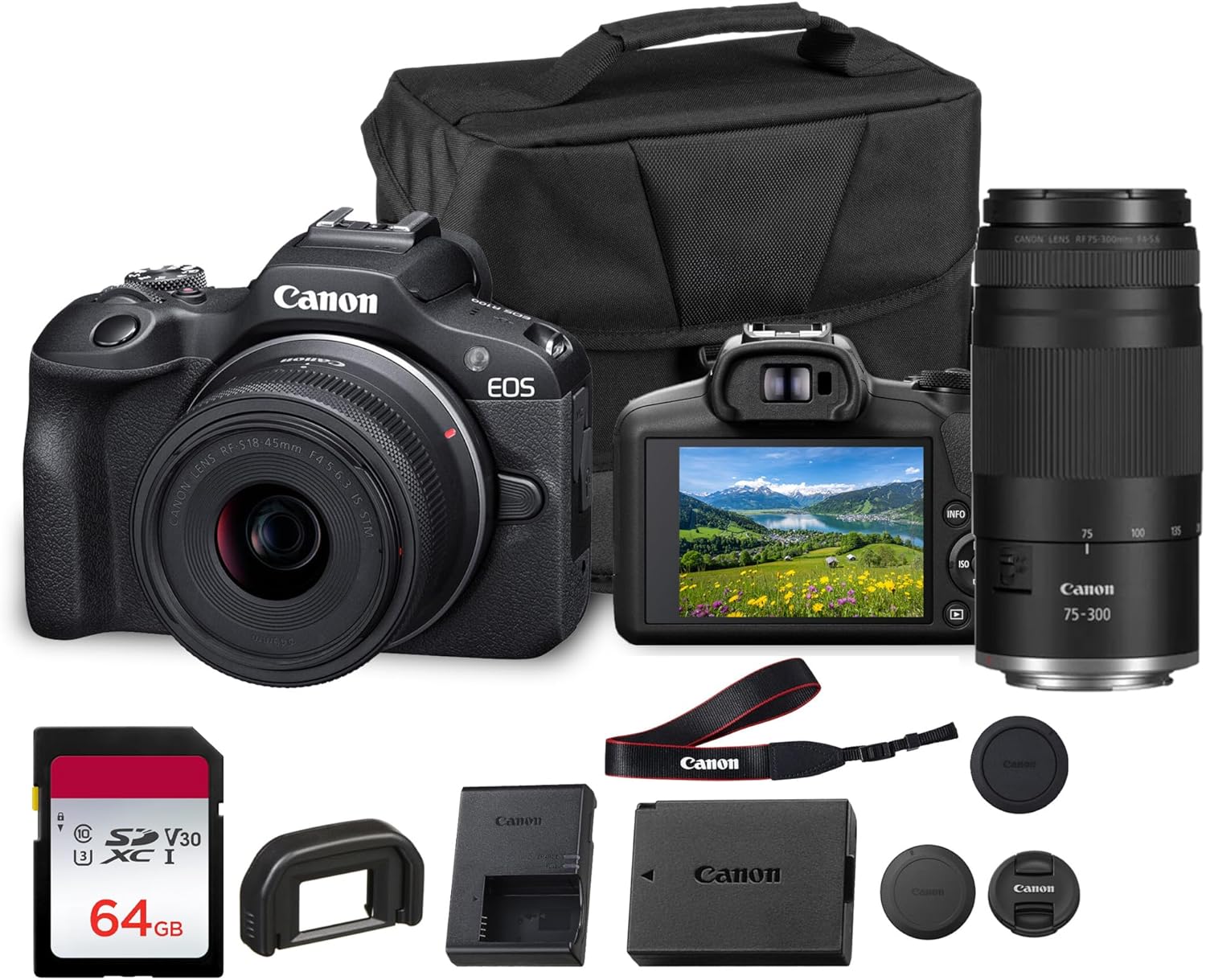
关键因素包括构建质量、用户评论和物有所值。 佳能佳能 EOS R100 无反光镜相机双镜头套件 W(来自 6 条评论中的 5 分)等评级最高的选项展示了该类别中的质量。
无反光镜相机通常要花多少钱?
价格从 16 美元到 2198 美元不等,大多数质量选项在 833 美元左右。 24 美元以下的预算选项可用于偶尔使用,而超过 1250 美元的高级型号提供更好的耐用性和功能。
哪些无反相机现在最受欢迎?
带有 RF-S 1 的佳能 EOS R100 无反光镜相机双镜头套件目前排名最高,有 5 份来自 6 条验证评论。 查看我们在 /best/mirrorless-cameras 的完整比较,了解所有首选。