 PickPundit

Complete play tools buying guide. Learn what features matter, compare top products, and find the best play tools for your budget.
View Top Picks →Table of Contents
Play Tools: The Pretend Construction That Builds Real Skills
Toy tool sets let children imitate adult work they observe—hammering, sawing, drilling in imaginative play. Beyond entertainment, quality play tools develop fine motor skills, introduce tool concepts, and provide constructive play alternatives to screen time.
Age-Appropriate Complexity
Play tool sets target different developmental stages:
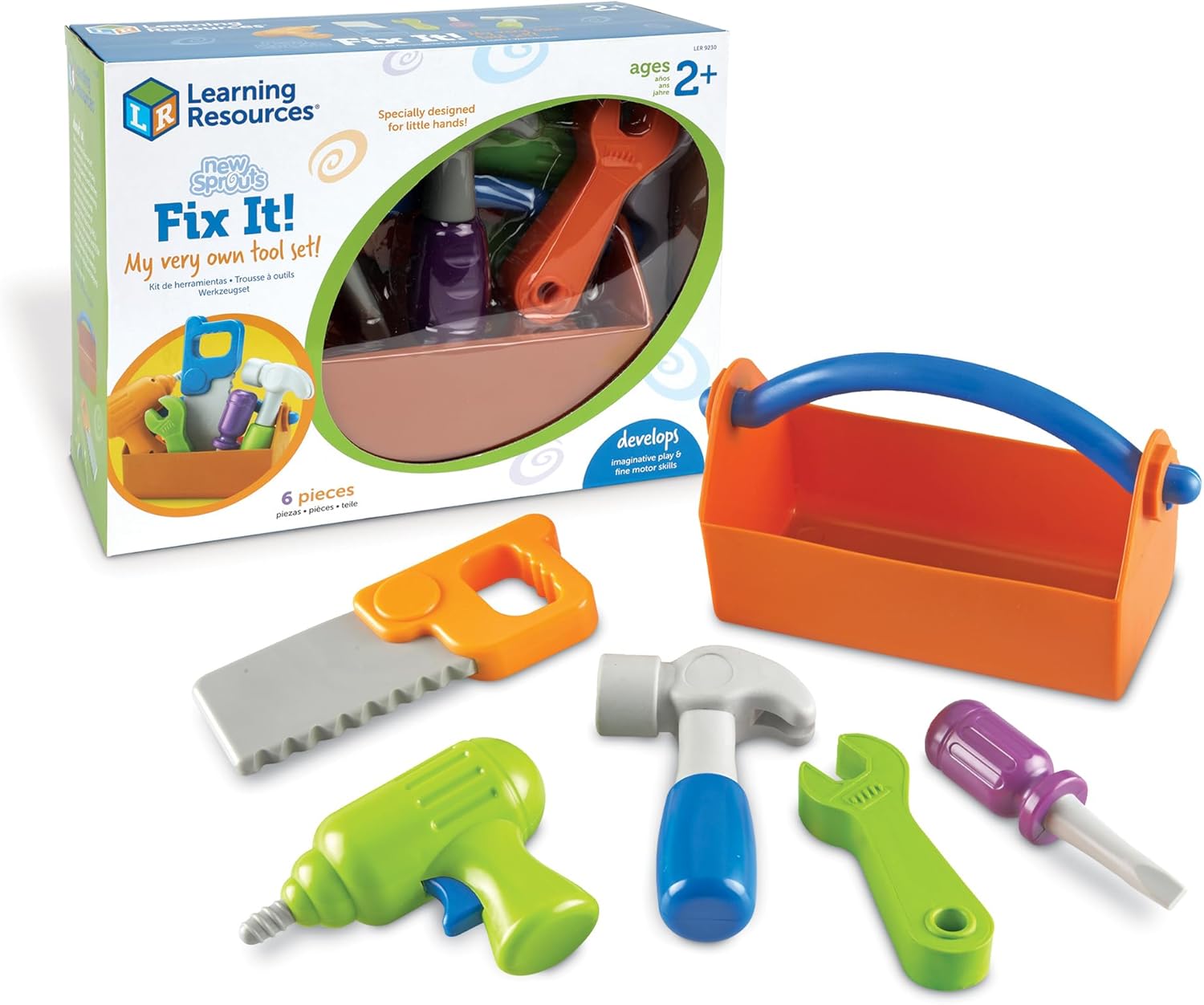
Ages 2-3: Large, simple tools with chunky handles. Focus on grasping and banging. The Learning Resources New Sprouts at $16 targets this range.
Ages 3-5: The Toddler Tool Set at $8 and similar—more realistic tools, still oversized, introduction to specific tool functions.
Ages 5-8: The 50-piece set at $27—more tools, more realism, construction projects with included materials.
Ages 8+: Transitioning toward real junior tools with appropriate supervision.
Matching complexity to age ensures engagement without frustration.
Play Value Elements
Quality play tool sets include:
Variety: Multiple tool types for varied pretend scenarios
Tool box/belt: Organization and transport, mimicking real workers
Construction materials: Foam boards, plastic pieces, or wood blocks for "building"
Realistic features: Moving parts, sounds, visual accuracy
The 50-piece set at $27 emphasizes quantity and variety. Simpler sets like the 11-piece at $8 focus on essential tools with cleaner organization.
Material and Safety
Play tool materials affect durability and safety:
Soft plastic/foam: Safe impacts, lightweight, less realistic feel
Hard plastic: More realistic heft, requires supervision for appropriate use
Wood: Most realistic, requires most supervision, develops most transferable skills
Younger children benefit from softer materials. Older children ready for more realistic play can handle harder materials appropriately.
Skill Development
Play tools develop multiple skills:
Fine motor: Grasping, twisting, pressing develop hand strength and coordination
Problem solving: "Fixing" things requires identifying what's wrong and selecting appropriate tool
Vocabulary: Learning tool names and functions
Imaginative play: Creating scenarios, maintaining pretend narratives
These developmental benefits occur during play without requiring structured teaching.
Gender Marketing
Play tool marketing historically targeted boys, but modern understanding recognizes:
Universal appeal: Children of all genders enjoy construction play
Skill development: Fine motor and imaginative play benefits are universal
Real-world preparation: Both genders benefit from tool familiarity
Quality toy tools work for any child interested in building and fixing.
Realistic vs Colorful
Play tools range from realistic to whimsical:
Realistic colors: Yellow, red, silver mimicking actual tools
Bright/primary colors: More toy-like appearance, clearly not real tools
Character themes: Branded with media properties
Realistic tools may provide more transferable learning; bright colors more clearly signal "toy" for safety. Either serves developmental purposes.
Durability Expectations
Play tool durability varies:
Budget sets: May not survive aggressive play for long
Quality sets: Withstand normal play for years
Replacement consideration: Cheap sets may be replaced as they break rather than repaired
For frequent players, quality investment provides better long-term value. For testing interest, budget options allow low-commitment trials.
Practical Recommendations
For toddlers (2-3): Simple sets with large, safe pieces. Learning Resources quality justifies modest premium.
For preschoolers (3-5): Mid-range sets at $8-15 with variety and organization.
For older kids (5-8): Larger sets with construction materials for actual "building" activities.
For uncertain interest: Budget sets test engagement before larger investment.
The key insight: play tools provide developmental benefits through natural play. Quality sets enhance imaginative scenarios while building practical skills for future real-tool use.
Frequently Asked Questions
购买游乐工具时应该注意什么?
关键因素包括构建质量、用户评论和物有所值。 顶级选项,如 Kiszo Toddler 工具套装 - 11 件带盒子的 PC 儿童工具集(来自 93 条评论)展示了该类别中的质量。
游戏工具通常要花多少钱?
价格从 8 美元到 198 美元不等,大多数质量选项在 35 美元左右。 13 美元以下的预算选项可用于偶尔使用,而超过 53 美元的高级型号提供更好的耐用性和功能。
哪些游戏工具现在最受欢迎?
幼儿工具套装 - 11 件带盒子的儿童工具套件目前排名最高,来自 93 条经过验证的评论。 在 /best/play-tools 中查看我们的完整比较,了解所有热门精选。