 PickPundit

Complete rc drones buying guide. Learn what features matter, compare top products, and find the best rc drones for your budget.
View Top Picks →Table of Contents
RC Drones: The Camera vs Flying Experience Decision
RC drones serve two fundamentally different purposes: aerial photography/videography and the pure flying experience. Most consumer drones attempt both, but understanding your primary interest shapes appropriate selection.
Camera-focused buyers should evaluate image quality first; flying-focused buyers should prioritize flight characteristics and durability.
Camera Specifications Reality
Drone camera claims require skepticism:
Resolution claims: "1080P" and "4K" describe sensor output but not image quality. A poor 1080P sensor produces worse video than a quality 720P sensor.
Stabilization: Gimbal stabilization produces smooth, usable footage. Digital stabilization (cropping and software smoothing) produces inferior results.
Sensor size: Larger sensors capture better low-light footage and dynamic range.
The budget drones at $22-45 claiming 1080P cameras produce footage adequate for casual sharing but disappointing compared to phone cameras. For serious aerial photography, significantly higher investment is required.
Flight Time Expectations
Drone flight times typically run 10-25 minutes per battery:
Budget drones ($20-50): 8-15 minutes typical
Mid-range drones ($100-300): 15-25 minutes typical
Premium drones ($500+): 25-40 minutes typical
Multiple batteries extend session length but add cost. The $22 drone with 10-minute flight time may frustrate users expecting extended sessions.
Beginner Features
Drones marketed "for beginners" typically include:
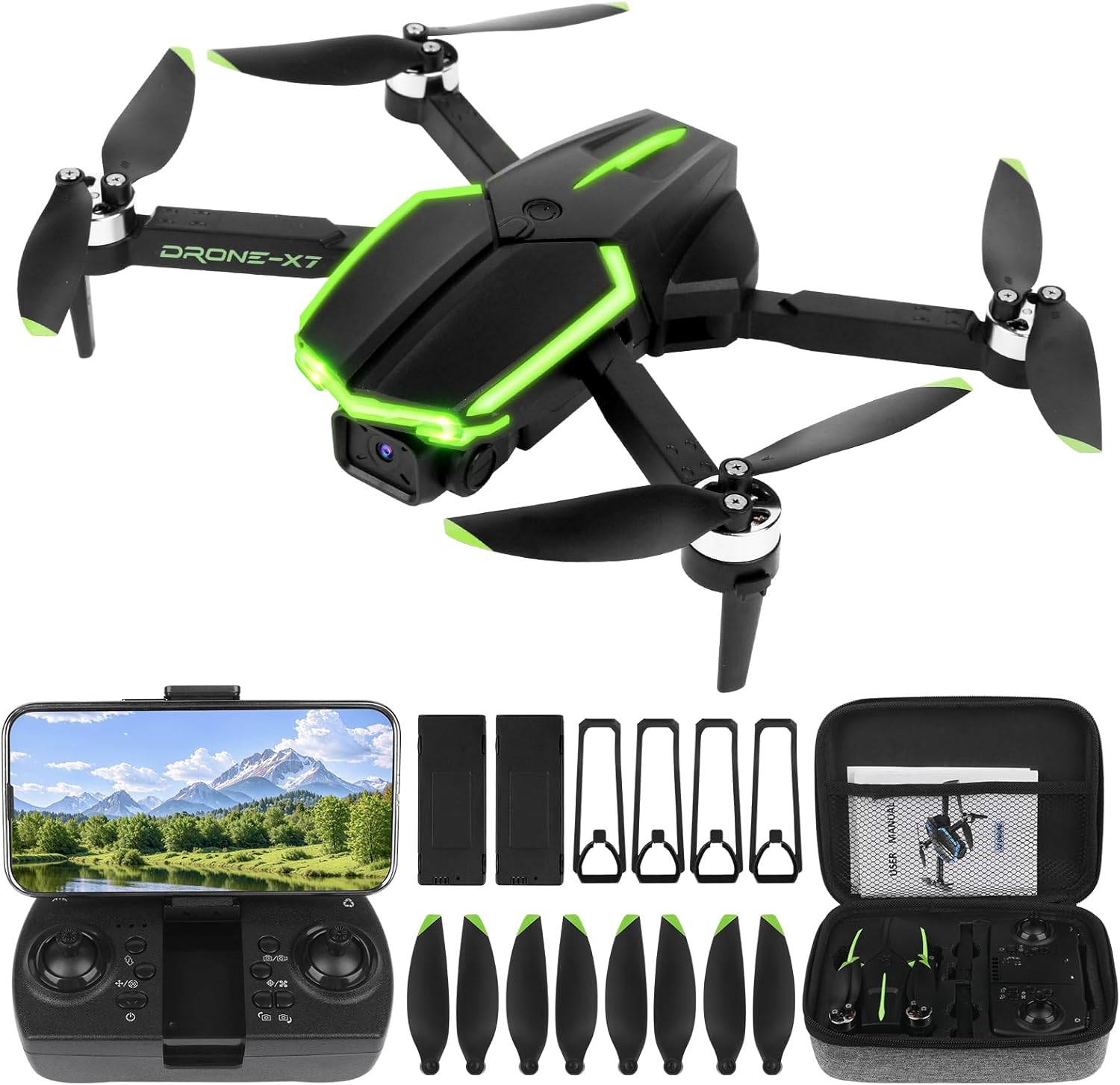
Altitude hold: Maintains height automatically, simplifying control to horizontal movement only.
Headless mode: Control orientation references pilot rather than drone heading—confusing once skills develop but helpful initially.
One-key return: Automatic return to launch point—essential safety feature.
Speed modes: Multiple speed settings allowing gentle learning progression.
These features genuinely help beginners but may limit advanced flying as skills develop.
FPV (First Person View)
FPV capability transmits camera view to controller screen or phone:
Real-time video: See what drone sees during flight
Flight perspective: Navigate from drone's viewpoint rather than ground observer
Recording separation: FPV view quality often differs from recorded quality
FPV enables flying beyond visual range but increases crash risk when video feed quality limits situational awareness.
Registration Requirements
FAA regulations require drone registration ($5 for 3 years) for drones weighing more than 0.55 pounds (250 grams). Most camera drones exceed this threshold; tiny indoor drones may not.
Registration involves marking the drone with registration number—a minor requirement but often overlooked by casual buyers.
Flight Restrictions
Drone flight faces significant legal restrictions:
Airports: No flight within 5 miles without authorization
National parks: Generally prohibited
Stadiums and events: Prohibited during events
Height limits: 400 feet maximum in most areas
Line of sight: Technically required for all recreational flying
Understanding and following restrictions prevents fines and contributes to continued recreational drone access.
Durability Considerations
Drone crashes are inevitable, especially during learning:
Prop guards: Protect propellers and reduce damage during contacts. Essential for beginners.
Replacement parts: Quality drones have available replacement props, motors, and frames.
Build quality: Budget drones may not survive first significant crash; quality drones withstand learning-curve impacts.
Budget drones often become expensive through repeated replacement rather than repair.
Indoor vs Outdoor Flying
Drone size affects appropriate flying environment:
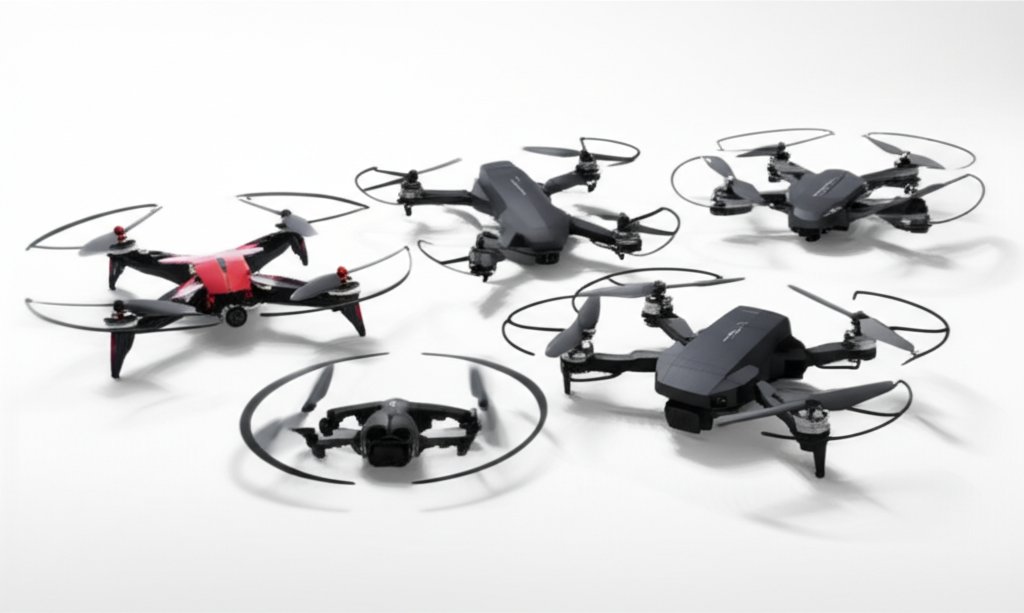
Mini drones (under 100g): Indoor capable, limited outdoor use in calm conditions.
Small drones (100-250g): Indoor possible in large spaces, better outdoors.
Standard drones (250g+): Outdoor only, require significant space.
For indoor flying or learning in limited space, mini drones provide appropriate capability. For outdoor aerial photography, larger drones with better cameras make sense.
GPS and Return-to-Home
Higher-end drones include GPS features:
Position hold: Maintains location in wind without control input
Return-to-home: Autonomous return to launch point when battery low or signal lost
Geofencing: Automatic avoidance of restricted airspace
GPS features transform flying from constant active control to more relaxed operation—significant quality-of-life improvement for casual pilots.
Practical Recommendations
For absolute beginners: Budget drones ($20-50) accept learning-curve crashes without major financial pain.
For those prioritizing flying experience: Mid-range drones ($100-200) with good flight characteristics and durability suit recreational flying.
For aerial photography: Invest in quality cameras—budget drone cameras disappoint. DJI Mini series or similar represents the entry point for usable aerial footage.
For indoor flying: Mini drones under 100g work in available space without outdoor requirements.
The key insight: cheap drone cameras produce disappointing footage regardless of resolution claims. Buy for flying experience or invest properly in camera quality—the middle ground satisfies neither goal.
Frequently Asked Questions
购买遥控无人机时我应该注意什么?
关键因素包括构建质量、用户评论和物有所值。 顶级选项,如成人初学者的 LawFig Drone 带摄像头(3.8 分来自 16 条评论)展示了该类别中的质量。
RC无人机通常要花多少钱?
价格从 22 美元到 190 美元不等,大多数质量选项在 57 美元左右。 33 美元以下的预算选项可用于偶尔使用,而超过 86 美元的高级型号提供更好的耐用性和功能。
哪些遥控无人机现在最受欢迎?
成人无人机带摄像头的无人机目前以 16 条经过验证的评论中的 3.8 分评为最高。 查看我们在 /best/rc-drones 的完整比较以了解所有首选。