 PickPundit
📶 How to Choose the Best Routers: Complete Buying Guide

Complete routers buying guide. Learn what features matter, compare top products, and find the best routers for your budget.
View Top Picks →Table of Contents
Routers: The AC1900 vs AX6000 Alphabet Soup Marketing
Router marketing creates alphabet confusion: AC1200, AC1900, AX3000, AX6000, WiFi 5, WiFi 6, WiFi 6E. The numbers and letters obscure what actually matters: does this router provide adequate speed and coverage for your home?
Understanding the specs behind alphabet soup enables cutting through marketing to identify routers that actually work for your space.
The Speed Rating vs Real-World Performance Gap
AC1900 "1900 Mbps" rating: Theoretical maximum combining 2.4GHz (600 Mbps) + 5GHz (1300 Mbps) bands. No single device ever achieves 1900 Mbps.
Realistic speeds: 400-600 Mbps on 5GHz band for devices in same room as router, 100-200 Mbps for devices 2 rooms away, 50-100 Mbps on 2.4GHz band.
The marketing speed vs actual performance gap is 2-3x. The "1900" number is useless for planning - look at real-world reviews documenting speeds at various distances.
For internet plans under 500 Mbps, even budget AC1200 routers provide adequate speed for internet (which is bottleneck, not router). For gigabit internet and local network file transfers, premium routers (AX3000+) enable utilizing full speed potential.
The Coverage Area Optimistic Claims
Router marketing: "Covers 2,000-3,000 square feet."
Reality: Walls, floors, metal obstacles, microwave interference all reduce range. Advertised coverage assumes open-space measurement.
Realistic coverage: 1,200-1,500 square feet in typical home with walls and floors for standard router. For multi-story homes or 2,000+ square feet, single router creates dead zones requiring mesh system or range extenders.
The single-router-limitation: Trying to cover 2,500 square foot two-story home with single router leaves upstairs bedrooms with weak/droppy WiFi. Mesh systems (2-3 units) provide reliable whole-home coverage at $200-400 total cost.
The WiFi 6 vs WiFi 5 Future-Proofing Question
WiFi 5 (AC): Current standard, works with all devices, adequate for most homes, cheaper ($60-150).
WiFi 6 (AX): Faster speeds, better multi-device handling, lower latency, newer technology, costs premium ($150-400).
The catch: WiFi 6 benefits require WiFi 6 devices. Older laptops, phones, tablets are WiFi 5, never utilizing WiFi 6 capabilities.
For households with all devices 2-3+ years old, WiFi 6 router provides zero benefit over WiFi 5 until devices upgrade. For households buying new devices, WiFi 6 provides future-proofing as new devices support it.
The "future-proofing" argument: routers typically last 4-6 years. Buying WiFi 6 now means by years 3-6, most devices will support it. Buying WiFi 5 now means by years 4-6, it's outdated standard.
The Mesh vs Traditional Router + Extender
Mesh systems: 2-3 identical units creating seamless whole-home network, devices roam between units automatically, more expensive ($200-500), easier setup.
Traditional router + extenders: Cheaper total cost ($60 router + $30-50 extenders = $90-150), more complex setup, devices don't roam seamlessly (need manual network switching).
For tech-comfortable users willing to tinker, router + extenders saves money. For set-it-and-forget-it priority, mesh systems justify premium through simpler management.
The Modem-Router Combo vs Separate Units
Modem-router combos: Single device handling both functions, saves space, one power outlet, typically $100-200.
Separate modem + router: More expensive combined ($100 modem + $100-300 router = $200-500), more complex, occupies more space. Enables upgrading router independently when WiFi standards improve without replacing modem.
The ISP rental elimination: Renting modem from ISP costs $10-15/month ($120-180/year). Buying own modem ($100) pays for itself in under 1 year, saving $120+ annually thereafter.
For long-term ISP customers, buying own modem + router eliminates rental fees and provides better equipment than ISP-provided units.
Framework
Basic apartment (<1,200 sq ft): Budget WiFi 5 router ($60-100), single unit adequate coverage, accepting older standard for cost savings.
Average home (1,200-2,000 sq ft, single-story): Mid-range WiFi 6 router ($150-250), future-proofing for device upgrades, single unit probably adequate.
Large/multi-story home (2,000+ sq ft): Mesh system ($200-400), 2-3 units for whole-home coverage, accepting higher cost for reliability.
Tech enthusiast: Separate modem + premium router ($200-500 combined), buying own equipment to eliminate ISP rental fees and maximize control.
Budget ISP rental elimination: Basic combo unit ($100-150), adequate performance, pays for itself in under year through eliminated rental fees.
The router purchase should start with home size and layout (determining single unit vs mesh), then internet speed (determining AC vs AX necessity), then budget. The alphabet soup marketing becomes irrelevant once these practical requirements are established.
Frequently Asked Questions
What should I look for when buying routers?
Key factors include build quality, user reviews, and value for money. Top-rated options like the GL.iNet GL.iNet GL-SFT1200 (Opal) Portable WiFi Travel Rou (4.2★ from 6,383 reviews) demonstrate what quality looks like in this category.
How much do routers typically cost?
Prices range from $29 to $249, with most quality options around $115. Budget options under $43 work for occasional use, while premium models over $173 offer better durability and features.
Which routers are most popular right now?
The GL.iNet GL-SFT1200 (Opal) Portable WiFi Travel Router is currently top-rated with 4.2★ from 6,383 verified reviews. Check our full comparison at /best/routers for all top picks.
⚖️ Quick Comparison
| Product | Price | Rating | Key Feature |
|---|---|---|---|
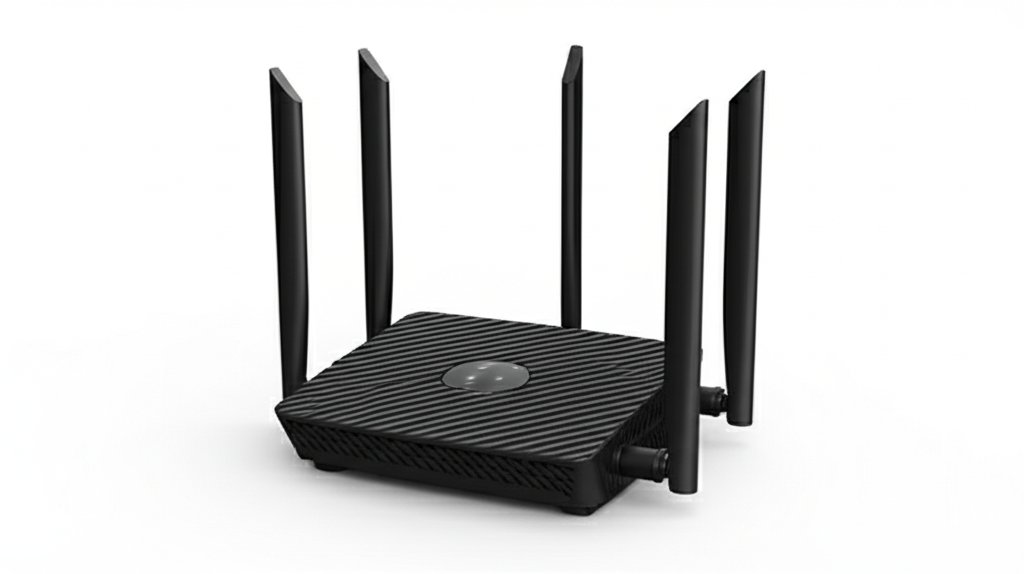
| $34.99 | AC1200 Dual-Band Wireless Router - Offers speeds up to 300 Mbps on 2.4GHz and 86... | ||
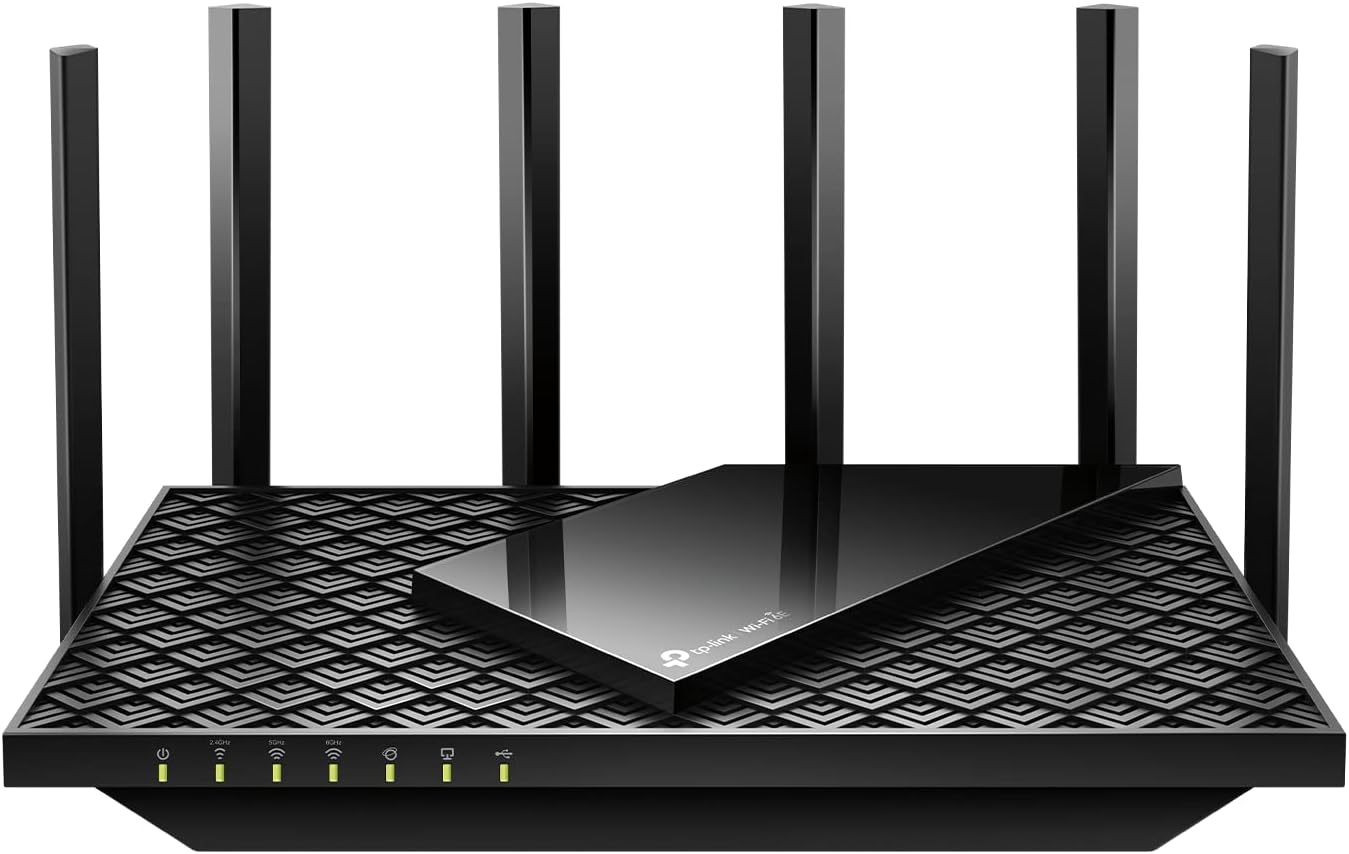
| $116.00 | Tri-Band WiFi 6E Router - Up to 5400 Mbps WiFi for faster browsing, streaming, g... | ||
| $86.99 | Dual Band AX Travel Router - Supports US, UK, EU plugs with speeds up to 574Mbps... |