 PickPundit
📦 So wählen Sie die besten Sportkopfhörer aus: Kompletter Kaufhandbuch

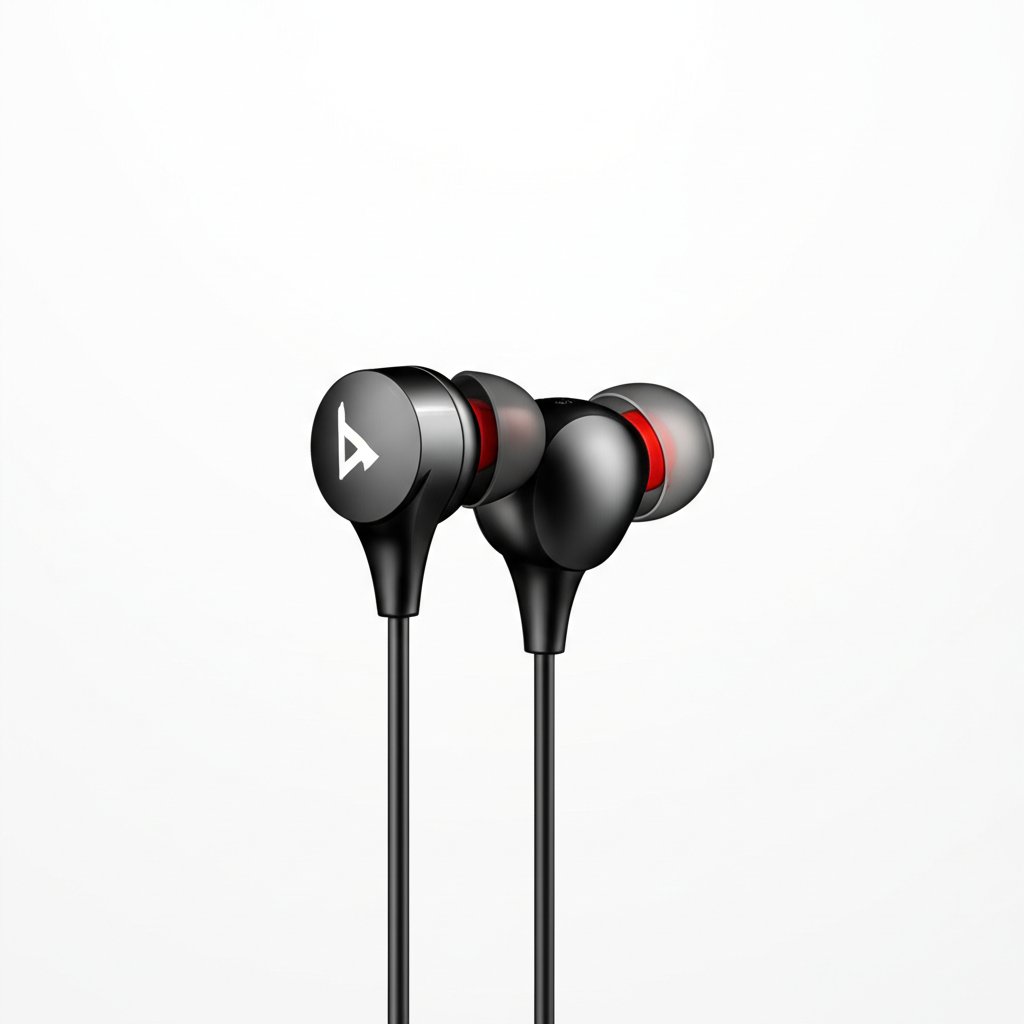
Complete sports headphones buying guide. Learn what features matter, compare top products, and find the best sports headphones for your budget.
View Top Picks →Table of Contents
Sports Headphones: The Sweat Resistance and Secure Fit Priority
Sports headphones solve problems regular headphones don't face: sweat exposure, vigorous movement, and outdoor environmental challenges. Standard earbuds that work fine at a desk fail during intense workouts through falling out, sweat damage, or cord interference.
Understanding sports-specific requirements prevents purchasing headphones that fail during actual athletic use.
Sweat and Water Resistance
Sports headphones require protection beyond regular electronics:
IPX4 rating: Splash resistant, handles sweat
IPX5 rating: Protected against water jets (rain during runs)
IPX6 rating: High-pressure water resistance
IPX7 rating: Submersion capable (brief immersion)
The occiam and PocBuds sports earbuds emphasize sweat resistance as primary feature. For intense exercise, minimum IPX4 protection is essential—regular earbuds corrode and fail from repeated sweat exposure.
Secure Fit During Movement
Headphones must stay positioned during running, jumping, and dynamic movement:
Ear hooks: Loop over outer ear for mechanical security
Wingtips: Silicone pieces that wedge in ear contours
Ear fin design: Similar to wingtips with different geometry
Deep insertion: Tight seal providing friction-based retention
The 80+ hour playtime claims on budget sports earbuds suggest designs optimized for long sessions—marathon training, extended gym sessions, or daily commute athletic listening.
True Wireless vs Neckband
Sports earbuds come in different form factors:
True wireless: No cables, maximum freedom, individual buds
Neckband: Band around neck connecting both buds, prevents loss
Traditional wired: Cord to device (increasingly rare)
True wireless offers maximum freedom but risks losing individual buds during vigorous activity. Neckband styles stay together if an earbud dislodges. Personal preference and activity type determine optimal choice.
Battery Life for Long Sessions
Sports headphones need battery lasting through activities:
Training sessions: 1-2 hours typical, most headphones adequate
Marathon training runs: 3-4+ hours requiring substantial battery
Ultra-endurance activities: May require neckband styles with larger batteries
The 80-hour claims on budget earbuds likely include charging case capacity—actual continuous use is typically 6-10 hours, with case providing multiple recharges.
Sound Quality Trade-offs
Sports headphones often compromise audio quality for durability and fit:
Bass emphasis: Motivating during workouts, less accurate
Open designs: Safer for outdoor awareness, less isolation
Sealed designs: Better sound, less environmental awareness
For exercise motivation, detailed audio reproduction matters less than reliable function and energizing sound signature. Audiophile priorities don't align with sports use requirements.
Safety and Awareness
Outdoor athletic use requires environmental awareness:
Ambient sound modes: Allow external sound through for traffic awareness
Open ear designs: Don't seal ear canal, preserving hearing
Bone conduction alternatives: Leave ears completely open
For road running, cycling, or outdoor activities, awareness features may prevent accidents. Gym use with visual awareness can safely use fully sealed designs.
Practical Recommendations
For gym use: Budget sweat-resistant earbuds ($20-30) provide adequate durability and sound for indoor exercise.
For outdoor running: Consider ambient sound features for traffic awareness. Secure fit matters most.
For intense sweating: Verify IPX5 or higher rating. Cheaper earbuds claiming water resistance may not survive heavy sweat.
For long training: Battery capacity matters—verify continuous playtime, not case-included estimates.
The key insight: sports headphones should be evaluated on durability, fit security, and sweat resistance before sound quality. Audiophile priorities don't apply during intense exercise.
Frequently Asked Questions
Worauf muss ich beim Kauf von Sportkopfhörern achten?
Zu den Schlüsselfaktoren gehören die Verarbeitungsqualität, die Benutzerbewertungen und das Preis-Leistungs-Verhältnis. Top-bewertete Optionen wie die Occiam Occiam Sport Wireless Earbuds Bluetooth-Kopfhörer (4.9★ aus 528 Bewertungen) zeigen, wie Qualität in dieser Kategorie aussieht.
Was kosten Sport-Kopfhörer normalerweise?
Die Preise reichen von 19 bis 200 US-Dollar, die meisten Qualitätsoptionen liegen bei 54 US-Dollar. Budgetoptionen unter 28 US-Dollar funktionieren für den gelegentlichen Gebrauch, während Premium-Modelle über 81 US-Dollar eine bessere Haltbarkeit und eine bessere Haltbarkeit bieten.
Welche Sportkopfhörer sind derzeit am beliebtesten?
Der Occiam Sport Wireless Earbuds Bluetooth-Kopfhörer 80h PLA ist derzeit mit 4.9★ von 528 überprüften Bewertungen bestbewertet. Überprüfen Sie unseren vollständigen Vergleich bei / best / sports-headphones für alle Top-Picks.


