 PickPundit
🌱 How to Choose the Best Compost Bins: Complete Buying Guide

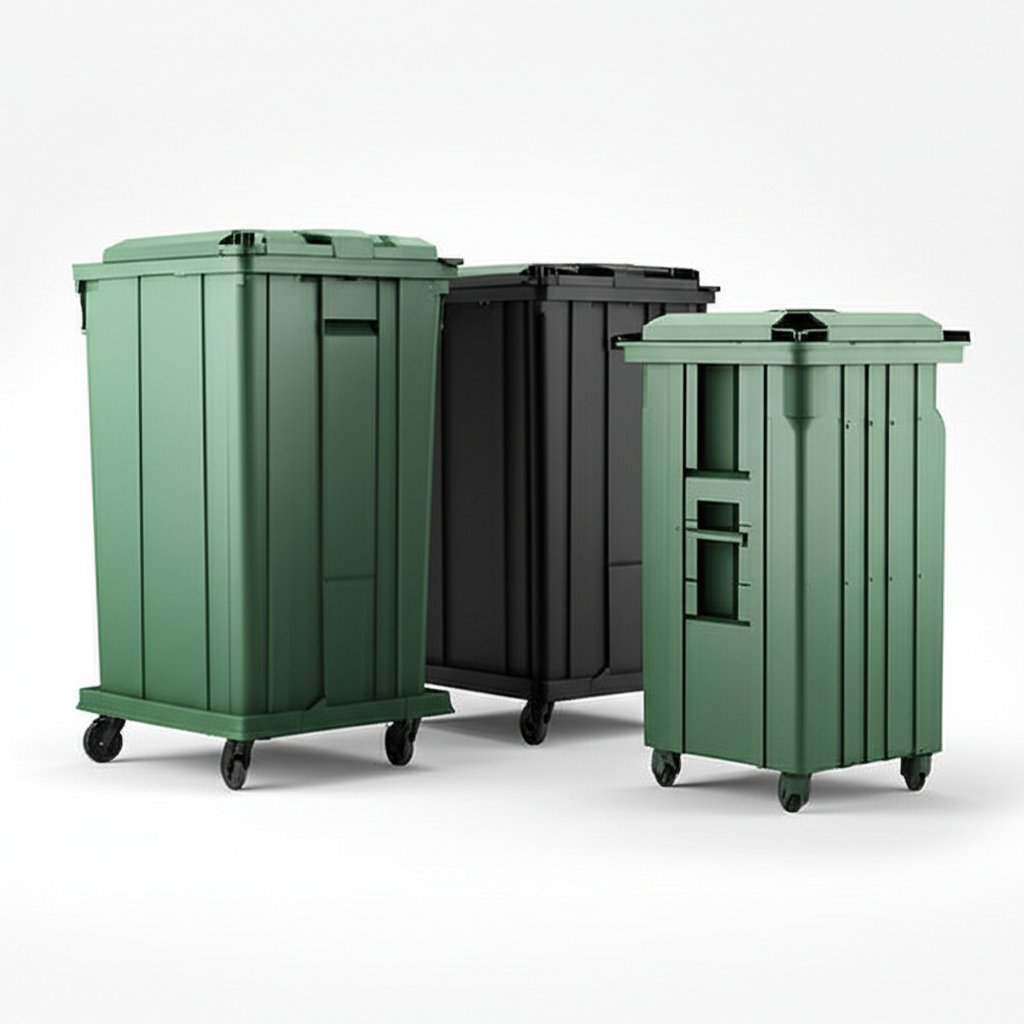
Complete compost bins buying guide. Learn what features matter, compare top products, and find the best compost bins for your budget.
View Top Picks →Table of Contents
Compost Bins: Kitchen Scraps to Garden Gold
Compost bins collect food scraps for decomposition into nutrient-rich soil amendment. Understanding bin types, what can be composted, and odor management helps establish sustainable kitchen waste routines that actually work.
Indoor vs Outdoor Composting
Two-stage system typical:
Kitchen countertop bins: Collect scraps temporarily. The OXO and stainless steel bins.
Outdoor compost piles/bins: Where decomposition actually happens.
Complete cycle: Kitchen bin → outdoor bin → finished compost → garden.
Apartment composting: Limited to countertop collection for municipal composting or vermicomposting.
Countertop Bin Features
What makes good kitchen bins:
Capacity: 1-1.5 gallons typical. Empty every few days.
Lid seal: Contain odors between empties.
Carbon filters: OXO Easy-Clean includes filter for odor absorption.
Cleaning ease: Removable inner bucket, dishwasher-safe components.
Appearance: Something you'll keep on counter.
Materials and Durability
Bin construction options:
Stainless steel: Durable, doesn't absorb odors, cleans easily.
Plastic: Lighter, cheaper, may stain/absorb odors over time.
Ceramic: Attractive, heavy, breakable.
Bamboo/wood: Natural look, may develop odor issues.
Odor Management
The main concern with kitchen composting:
Lid seal: Primary odor containment.
Carbon filters: Absorb odors that escape. Replace periodically.
Frequent emptying: Don't let scraps sit too long.
What you compost: Meat and dairy cause more odor than fruit/vegetable scraps.
What Can Be Composted
Safe for most composting:
Yes: Fruit/vegetable scraps, coffee grounds, tea bags, eggshells, bread.
Avoid: Meat, dairy, oils (attract pests, cause odor).
Depends on system: Some outdoor bins handle more; countertop collection should be selective.
Municipal programs: May accept wider range than home composting.
Outdoor Bin Types
Where decomposition happens:
Tumbler bins: Rotating drums. Easy turning, faster decomposition.
Stationary bins: Open-bottom bins on ground. Simpler, larger capacity.
Pile composting: No bin—just managed pile. Cheapest, needs space.
Worm bins (vermicomposting): Indoor option. Worms process scraps.
The Composting Process
What's actually happening:
Decomposition: Microorganisms break down organic matter.
Browns and greens: Balance carbon (browns) and nitrogen (greens).
Moisture: Damp but not wet. Like wrung-out sponge.
Aeration: Turning provides oxygen for aerobic decomposition.
Time: Weeks to months depending on method and materials.
Common Mistakes
Composting problems and prevention:
Too wet: Add browns (leaves, cardboard), turn more.
Too dry: Add water, more greens.
Bad smell: Usually too wet or wrong materials. Adjust balance.
Pests: Avoid meat/dairy, keep lids secure, bury fresh scraps.
Apartment/Condo Composting
Without outdoor space:
Municipal collection: Many cities collect compostables.
Community gardens: Some accept compost contributions.
Vermicomposting: Worm bins work indoors.
Bokashi: Fermentation method for indoor use.
Freezer storage: Freeze scraps until disposal available.
Starting Simple
Low-barrier entry:
Begin with countertop collection: The OXO bin is good starting point.
Learn what works: Observe what your household produces.
Expand gradually: Add outdoor composting when ready.
Municipal first: Easiest if your city collects compostables.
Cleaning and Maintenance
Keeping bins functional:
Regular emptying: Every 2-5 days depending on household.
Washing: Soap and water between empties.
Filter replacement: Carbon filters every 2-4 months.
Outdoor bins: Seasonal turning, moisture monitoring.
Practical Recommendations
For beginners: OXO Easy-Clean or similar quality countertop bin. Start collecting, find disposal solution.
For gardeners: Complete system with outdoor tumbler or bin for finished compost.
For apartments: Countertop bin plus municipal pickup or community garden drop-off.
For committed composters: Larger capacity outdoor system, possibly vermicomposting addition.
The key insight: countertop bins are collection points, not composting destinations. Success requires plan for where scraps ultimately go—outdoor bins, municipal programs, or worm bins for actual decomposition.
Frequently Asked Questions
What should I look for when buying compost bins?
Key factors include build quality, user reviews, and value for money. Top-rated options like the OXO OXO Good Grips Easy-Clean Compost Bin (4.6★ from 17,776 reviews) demonstrate what quality looks like in this category.
How much do compost bins typically cost?
Prices range from $22 to $240, with most quality options around $73. Budget options under $33 work for occasional use, while premium models over $110 offer better durability and features.
Which compost bins are most popular right now?
The OXO Good Grips Easy-Clean Compost Bin is currently top-rated with 4.6★ from 17,776 verified reviews. Check our full comparison at /best/compost-bins for all top picks.


