 PickPundit
📦 सर्वश्रेष्ठ गिटार केबल कैसे चुनें: पूर्ण ख़रीदना गाइड

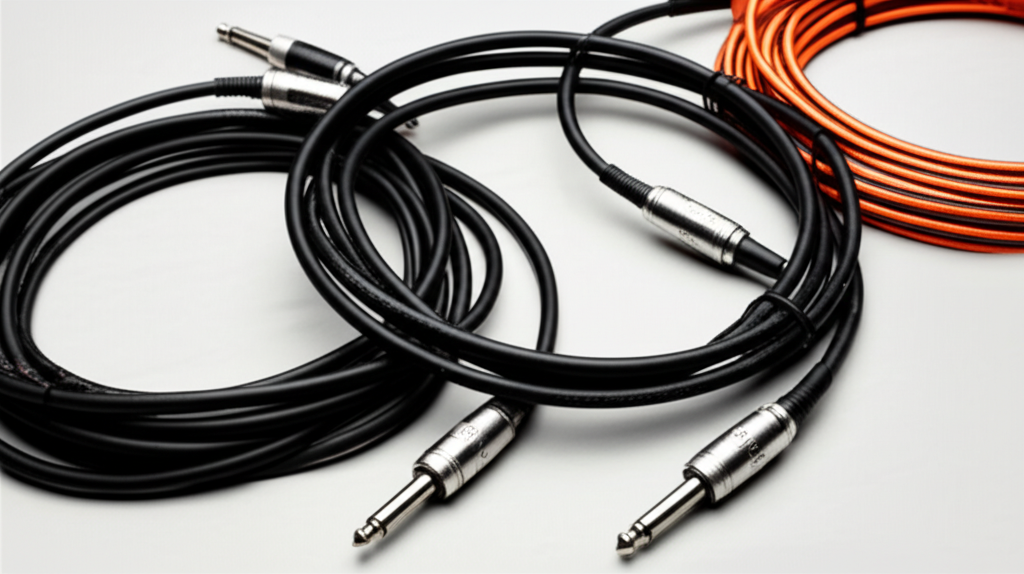
Expert guide to choosing the best guitar cables. Compare features, prices, and find the perfect option for your needs.
View Top Picks →Table of Contents
The Ultimate Buying Guide for Guitar Cables
Imagine this: You're all set for your first band practice or perhaps an intimate gig. Your guitar gleams under the stage lights, your amp is perfectly tuned, and your setlist is ready to rock the night. But as you plug in, a sudden crackle disrupts the harmony. Your trusty guitar cable has failed you. Choosing the right guitar cable is more critical than many musicians realize, affecting both your sound quality and reliability during performances. Here’s a comprehensive guide to help you navigate the world of guitar cables, ensuring you select one that keeps the music flowing seamlessly.
Price Ranges: Budget vs. Premium Options
When it comes to guitar cables, prices can vary significantly, typically ranging from $10 to over $50. Let’s break down what you might expect at different price points:
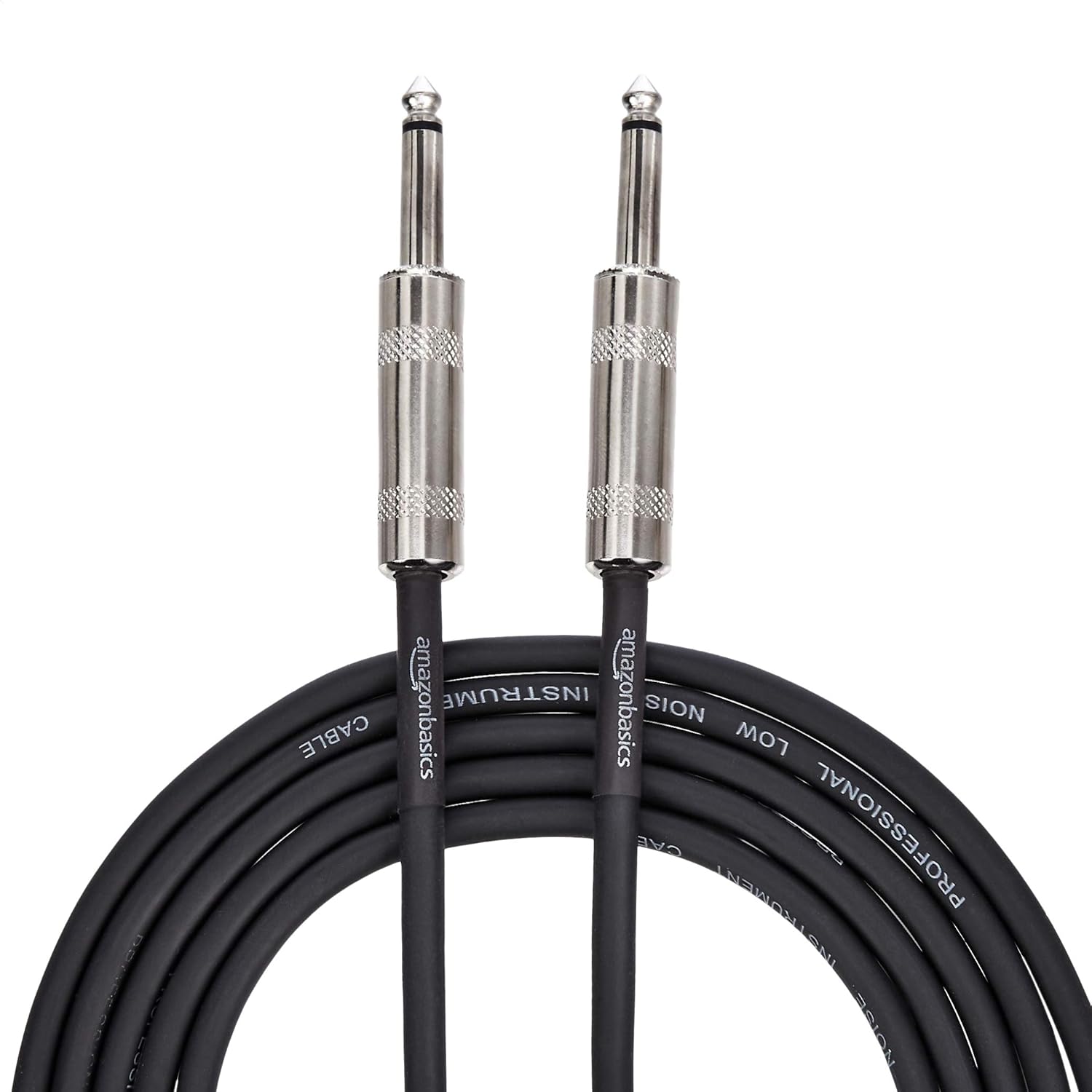
Budget Options ($10 - $20): In this range, you can find reliable cables that are perfect for beginners or those who play occasionally. Products like the Amazon Basics 1/4 Inch Straight Instrument Cable ($7.63) and the New Bee Guitar Cable ($8.99) are excellent choices. Both offer good durability and sound quality for their price, making them popular among casual players.
Mid-Range Options ($20 - $40): These cables often feature better shielding and connectors, reducing noise and increasing longevity. They’re a solid choice for regular players who need a balance of performance and price.
Premium Options ($40 and above): High-end cables are geared towards professionals needing superior sound quality and durability. They often feature gold-plated connectors and enhanced shielding for minimal signal loss.
Key Features to Consider
When selecting a guitar cable, consider the following features to ensure you get the best performance:
Length: Most guitar cables range from 10 to 20 feet. Consider the space you typically play in; longer cables provide flexibility but can introduce more signal interference.
Connectors: Look for cables with robust connectors, such as those made from nickel or gold-plated materials. Right-angle connectors, like those on the New Bee Guitar Cable, are great for tight spaces and protecting your instrument’s jack.
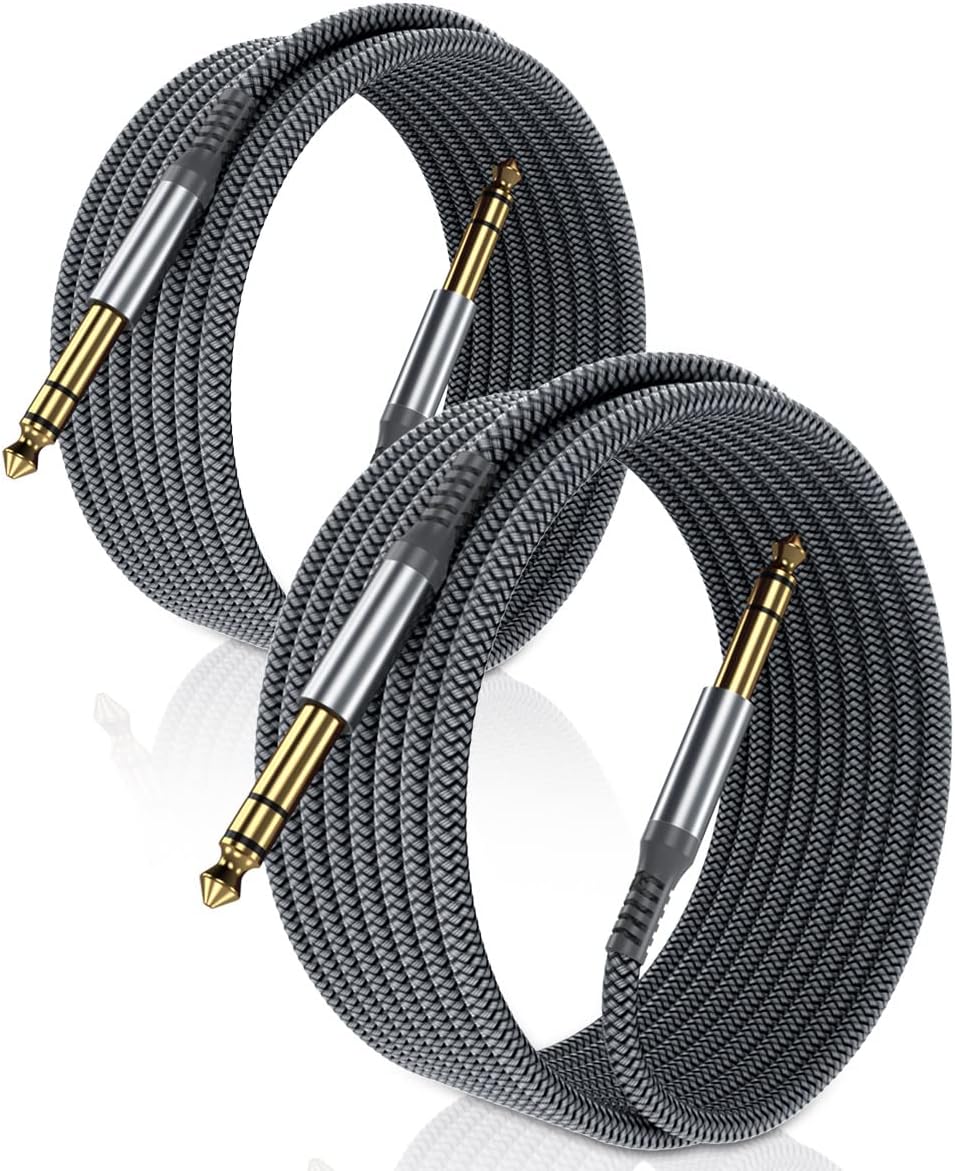
Shielding: Good shielding (braided or spiral) is crucial for reducing electromagnetic interference. The Elebase 1/4 Inch TRS Instrument Guitar Cable ($15.99) is noted for its effective shielding, ensuring clear sound.
Cable Thickness: Thicker cables are generally more durable and resistant to tangling, though they may be less flexible.
Durability: Consider cables with reinforced ends and strain relief features to prevent wear and tear from frequent use.
Common Pitfalls to Avoid
Avoid these common pitfalls to ensure you choose a cable that meets your needs:
Overlooking Durability: Don’t be swayed by low prices alone. A cheap cable may save you money upfront but can lead to frequent replacements if it breaks easily.
Ignoring Length Needs: A cable that’s too short can be restrictive, while an excessively long cable can introduce noise. Choose a length that suits your typical playing environment.
Skipping Customer Reviews: Real-world usage insights can highlight potential longevity or sound quality issues that specs alone won’t reveal.
What Real Customers Say
Real customer feedback provides invaluable insights into the performance and reliability of guitar cables. For instance:
Amazon Basics 1/4 Inch Straight Instrument Cable: Many users praise its affordability and basic reliability, noting that it performs well for casual use. Some, however, mention occasional durability issues with heavy use.
New Bee Guitar Cable: Customers appreciate its clear sound and sturdy construction, ranking it high for casual to intermediate players. The right-angle design is frequently highlighted as a practical feature.
Elebase 1/4 Inch TRS Instrument Guitar Cable: Users commend the duo pack for its excellent value and solid performance. It’s noted for effective noise reduction, making it a favorite for live performances.
Final Recommendations
Choosing the right guitar cable largely depends on your playing style and environment. Here are our final recommendations based on customer insights and practical features:
If you’re a beginner or casual player, the New Bee Guitar Cable offers excellent value for under $10 with reliable sound quality and durability.
For those needing a balance of performance and price, the Elebase 1/4 Inch TRS Instrument Guitar Cable is a great choice. The two-pack offers convenience and value, especially for regular players or those with multiple setups.
Professionals seeking top-tier performance should consider investing in high-end cables with superior shielding and connectors, even if it means spending more upfront.
Remember, a good guitar cable is an investment in your sound quality and performance reliability. By considering the length, connectors, shielding, and real customer feedback, you can make an informed choice that keeps your music playing smooth and clear.
⚖️ Quick Comparison
| Product | Price | Rating | Key Feature |
|---|---|---|---|
|
#1
|
$7.63 | Ideal for connecting an electric guitar, bass, or keyboard to an amplifier or PA... | |
| $8.99 | Low Noise High Fidelity - 22AWG oxygen-free copper conductors enhance signal tra... | ||
| $15.99 | (Detail-oriented, Just Like You And Your Music) We know how easily a cable gets ... |