 PickPundit
📦 सर्वश्रेष्ठ आईपीएल बालों को हटाने का चयन कैसे करें: पूर्ण ख़रीदना गाइड

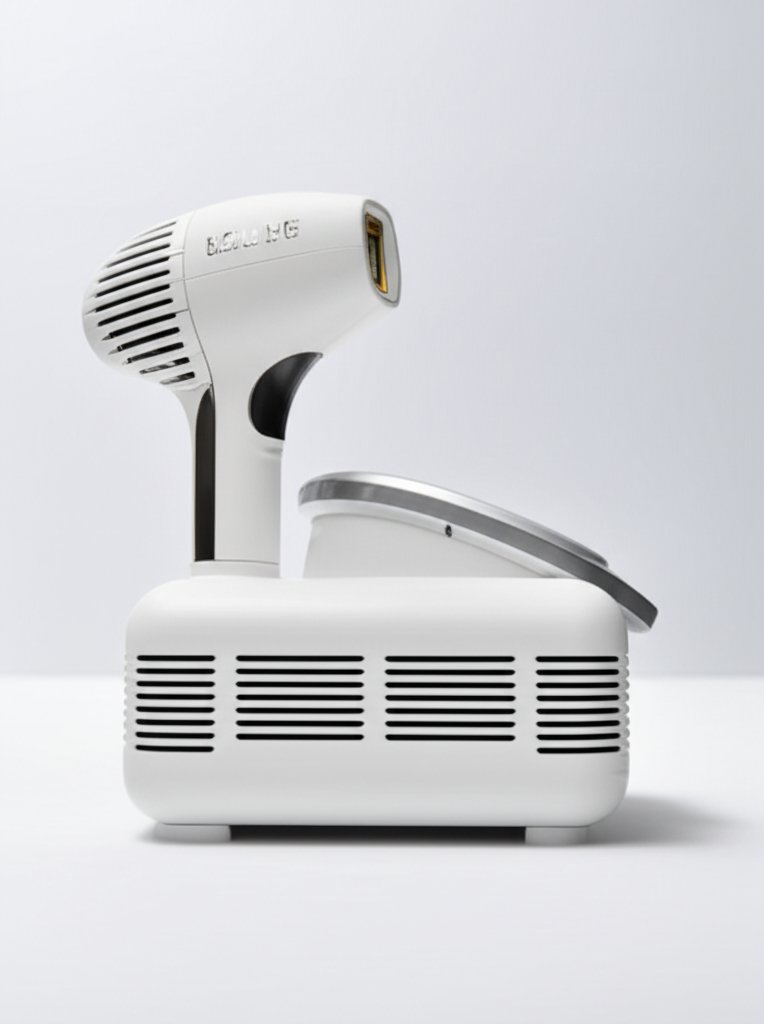
Complete ipl hair removal buying guide. Learn what features matter, compare top products, and find the best ipl hair removal for your budget.
View Top Picks →Table of Contents
IPL Devices: The At-Home Permanent Hair Reduction Reality Check
IPL (Intense Pulsed Light) devices promise permanent hair reduction at home—transforming what once required expensive professional treatments into a consumer product. The technology works, but with significant caveats that marketing often obscures: it's not truly permanent, it doesn't work for all skin/hair combinations, and the time investment is substantial.
Understanding IPL realistically prevents both dismissing a genuinely useful technology and expecting results it can't deliver.
How IPL Actually Works
IPL devices emit broad-spectrum light that's absorbed by melanin (pigment) in hair follicles. This absorption generates heat, damaging the follicle and reducing its ability to produce new hair. Over multiple treatments, many follicles become incapable of hair production.
The critical requirement: contrast between hair pigment and skin pigment. Dark hair on light skin creates ideal conditions—the device can target hair melanin without affecting skin melanin. The technology struggles when:
- Hair is light (blonde, gray, white, red)—insufficient hair melanin to absorb light
- Skin is dark—skin melanin competes for light absorption, creating burn risk
- Hair and skin are similar in color—device can't differentiate targets
The newer devices with skin tone sensors attempt to protect against unsafe use on dark skin, but they do this by refusing to fire or reducing power—not by magically working despite unfavorable conditions.
"Permanent" Hair Reduction vs Marketing Claims
IPL produces "permanent hair reduction"—a specific FDA terminology meaning significant, lasting decrease in hair regrowth. This differs from "permanent hair removal," which implies complete, forever elimination.
Reality for most users:
- Initial treatment phase: 6-12 weekly sessions
- Significant reduction: 60-80% fewer visible hairs
- Maintenance required: Touch-up sessions every few months indefinitely
- Some hair always returns: Hormonal changes, remaining follicles, regrowth
Users who achieve excellent results still perform maintenance treatments. Those expecting to "do it once and forget forever" will be disappointed.
Device Tiers and Technology
IPL devices range from budget options ($50-80) to premium units ($200-300):
Budget tier ($50-80): Basic IPL technology, simpler power management, smaller treatment windows, potentially less consistent light delivery. The devices at $48-81 represent this category.
Premium tier ($200-300): The Ulike Air 10 at $259 exemplifies advanced consumer IPL—faster flash rates, larger treatment windows, better cooling systems, and sometimes skin tone sensors.
What premium pricing buys:
- Faster treatment sessions (larger flash windows, faster flash rates)
- Better comfort (cooling systems reducing pain)
- More consistent results (better power regulation)
- Longer device lifespan (higher quality components)
Whether premium justifies itself depends on treatment commitment. Users who abandon treatment after a few sessions waste money on premium devices. Those who complete full treatment courses and maintain results benefit from premium speed and comfort.
The Cooling Question
IPL treatment produces heat and discomfort—sometimes mild warmth, sometimes significant pain depending on area, hair density, and power level.
"Ice cooling" features (prominently marketed) reduce this discomfort by cooling skin before and during light delivery. The $81 device and premium options emphasize this feature.
The honest assessment: cooling helps but doesn't eliminate discomfort. Sensitive areas (bikini line, underarms) remain uncomfortable regardless of cooling. Pain tolerance varies—some users find IPL barely noticeable; others find it prohibitively painful.
Treatment Time Investment
IPL requires commitment:
Initial treatment phase:
- Full body: 1-2 hours per session
- Single area (legs): 20-30 minutes per session
- Sessions required: 8-12 over 2-3 months
Maintenance phase:
- Touch-up sessions every 1-3 months
- Same time investment per session
- Ongoing indefinitely
For those seeking "set and forget" hair removal, the ongoing time investment disappoints. For those willing to maintain a routine, the reduction from daily/weekly shaving provides net time savings eventually.
Safety Considerations
Home IPL carries genuine risks when misused:
- Burns from use on too-dark skin tones
- Eye damage from direct or reflected light exposure (always use provided goggles)
- Skin irritation and temporary redness (normal)
- Rarely: blistering, scarring, pigmentation changes
Devices with skin tone sensors provide safety margins but aren't foolproof. Reading and following all instructions isn't excessive caution—it's necessary precaution.
Never use IPL on:
- Moles or dark spots
- Tattoos (permanent damage to skin and tattoo)
- Sunburned or tanned skin
- Areas with open wounds or irritation
Professional Laser vs Home IPL
Professional laser hair removal uses different technology—actual lasers rather than broad-spectrum IPL—with more power and precision. Professional treatments cost more per session ($200-400) but require fewer sessions and produce more complete results.
Home IPL advantages:
- Much lower total cost (device pays for itself vs. professional pricing)
- Convenience of home treatment
- No appointment scheduling
Professional advantages:
- Faster, more complete results
- Works on more skin/hair combinations
- Professional supervision for safety
- More powerful devices producing better permanent reduction
For candidates with ideal coloring (dark hair, light skin), home IPL provides excellent value. For borderline candidates or those seeking maximum results, professional treatment may prove more effective despite higher cost.
Hair Color Reality
IPL fundamentally requires dark hair for effectiveness. The devices cannot effectively treat:
- Blonde hair (insufficient melanin)
- Gray/white hair (no melanin)
- Red hair (different melanin type)
- Light brown hair (variable results)
Marketing sometimes implies universal effectiveness; physics disagrees. If your hair is naturally light, IPL investment will disappoint regardless of device quality.
Practical Recommendations
For ideal candidates (dark hair, light-medium skin): Budget IPL devices ($50-80) can produce good results with patience. Premium devices accelerate the process and improve comfort.
For borderline candidates (medium hair, medium skin): Proceed cautiously, use lowest effective settings, and have realistic expectations for partial reduction rather than dramatic results.
For unsuitable candidates (light hair or dark skin): IPL won't work well. Consider professional laser treatments with devices designed for your combination, or alternative hair removal methods.
For commitment-uncertain buyers: Start with budget devices to test your tolerance for the treatment process before investing in premium options.
The key insight: IPL technology genuinely works for appropriate candidates willing to invest time in treatment and maintenance. It doesn't work magic for everyone.
Frequently Asked Questions
What should I look for when buying ipl devices?
Key factors include build quality, user reviews, and value for money. Top-rated options like the Ubroo IPL Laser Hair Removal for Women and Men (4.6★ from 293 reviews) demonstrate what quality looks like in this category.
How much do ipl devices typically cost?
Prices range from $37 to $509, with most quality options around $152. Budget options under $55 work for occasional use, while premium models over $228 offer better durability and features.
Which ipl devices are most popular right now?
The IPL Laser Hair Removal for Women and Men is currently top-rated with 4.6★ from 293 verified reviews. Check our full comparison at /best/ipl-devices for all top picks.


